
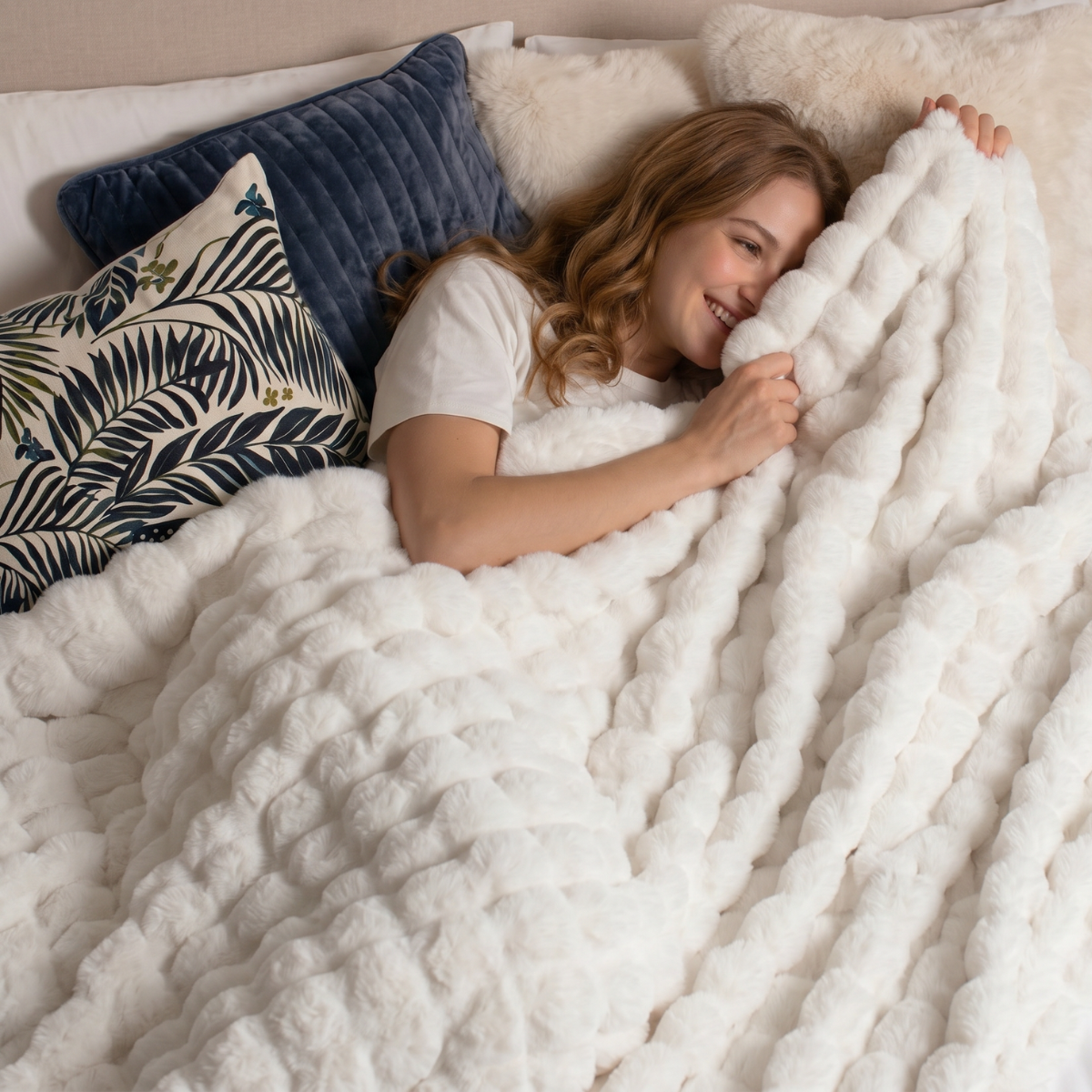





Choosing the right bedding size is not just about matching a label like Queen, King, or Twin. The right size affects how your bed feels, how your sheets stay in place, and how polished your bedroom looks.
Many people only check the mattress size name before buying bedding, but mattress dimensions, thickness, and bedding measurements can vary by brand and region. A fitted sheet that is too shallow may slip off. A duvet that is too small may not give enough coverage. A flat sheet that is too narrow may feel uncomfortable for two people sharing a bed.
This bedding size guide will help you understand what to measure, how each bedding piece should fit, and when it makes sense to size up.
Understanding Bedding Components and Their Sizes
Before choosing a bedding set, it helps to understand what each piece is designed to do. A complete bedding bundle or bed in a bag may include several items, and each one fits your bed in a different way.
Fitted sheets have elastic edges that wrap around the mattress and stay in place. Flat sheets are large rectangular sheets used between you and your blanket or duvet. Duvet covers or quilt covers protect your duvet insert, similar to a large pillowcase. Comforters, duvets, and blankets are top layers that provide warmth and coverage. Pillowcases and shams cover sleeping pillows or decorative pillows.
Even when these items are labeled for the same bed size, their actual measurements are not the same. For example, a Queen flat sheet is much wider than a Queen mattress because it needs extra fabric for tucking and side overhang.
Know Your Mattress Dimensions Before You Shop
The first step is to measure your mattress. A size name gives you a general idea, but it does not always guarantee a perfect fit.
Measure the Length and Width
Start by measuring the width from one side of the mattress to the other, then measuring the length from the head to the foot of the bed. This is especially important if you are not sure whether your bed is a standard King or a California King. A California King is usually longer and narrower than a standard King, so the wrong bedding can feel noticeably off.
Check the Mattress Depth
Mattress depth is one of the most commonly overlooked details. Standard mattresses are often around 8 to 12 inches thick, but many modern mattresses are much taller. Pillow-top mattresses, hybrid mattresses, and beds with foam toppers may reach 16 to 18 inches or more.
If your mattress is thick, you need bedding that can cover not only the length and width, but also the height. This matters most when choosing fitted sheets.
How to Choose the Right Fitted Sheet Size
Fitted sheets need the most accurate fit because they are designed to wrap tightly around your mattress. If the fitted sheet is too small, the corners may pop off. If it is too large, the fabric may wrinkle or move around while you sleep.
Match the Sheet to Your Mattress
Your fitted sheet should closely match the length and width of your mattress. Then, check the pocket depth in the product description. Many brands will say the sheet “fits mattresses up to” a certain height.
A simple rule is to choose a fitted sheet with a pocket depth slightly deeper than your mattress. Ideally, the pocket should be at least 2 inches deeper than your mattress height, so the sheet can tuck securely underneath.
When You Need Deep Pocket Fitted Sheets
If you have a thick mattress or use a mattress topper, standard fitted sheets may not be enough. In that case, look for deep pocket fitted sheets.
Deep pocket sheets are designed to cover taller mattresses without stretching the elastic too tightly. They help the sheet stay smooth and secure, which makes the bed more comfortable and easier to maintain.

How to Choose the Right Flat Sheet Size
Flat sheets are more flexible than fitted sheets, but size still affects comfort and appearance. A good flat sheet should cover the mattress properly, leave enough fabric on both sides, and tuck neatly at the foot of the bed.
Allow Enough Fabric for Tucking and Overhang
A flat sheet should be wide enough to cover the sides of the mattress and long enough to tuck under the foot of the bed. For example, a standard King flat sheet is often around 108 inches wide by 102 inches long, giving two people enough fabric to sleep comfortably without pulling the sheet away from each other.
When to Size Up a Flat Sheet
If you like a hotel-style tucked look, or if you share your bed and want more coverage, sizing up can be a good choice. For example, using a King flat sheet on a Queen bed can provide extra fabric on both sides and help the bed feel more generous and comfortable.

How to Choose the Right Duvet or Comforter Size
When choosing a duvet, comforter, or quilt, think about the look and coverage you want. Some people prefer a clean, tailored style, while others like a fuller, oversized drape.
Match the Bed Size for a Clean Look
Choosing a duvet or comforter that matches your mattress size usually creates a neat and simple look. The bedding will cover the top of the bed and fall slightly over the sides.
This works well if your bed frame is low or if you prefer a more minimal bedroom style.
Size Up for More Coverage
If you want more side coverage or a cozier look, consider sizing up. For example, a King duvet on a Queen bed can hide the mattress edges and create a fuller, more luxurious appearance.
Sizing up can also be helpful for couples because it gives each person more blanket coverage during the night.
Consider Bed Height and Overhang
The height of your bed frame also matters. If your mattress sits high off the floor, a standard duvet may look too short on the sides. In this case, an oversized comforter or duvet may create a better visual balance.
Because duvet and comforter sizes can vary by brand, always check the listed measurements instead of relying only on the size name.

How to Choose the Right Duvet Cover Size
A duvet cover should fit your insert closely. If the cover is too large, the insert may slide around and leave empty fabric at the edges. If the cover is too small, it may compress the insert and make it feel less fluffy.
A good rule is to choose a duvet cover and insert with measurements within about 2 inches of each other. This helps the duvet stay evenly distributed, keeps the corners filled, and makes the bed look smoother.
Many duvet covers include corner ties, which help keep the insert in place. However, corner ties work best when the duvet cover and insert are already a close size match.

Pillowcase and Pillow Size Basics
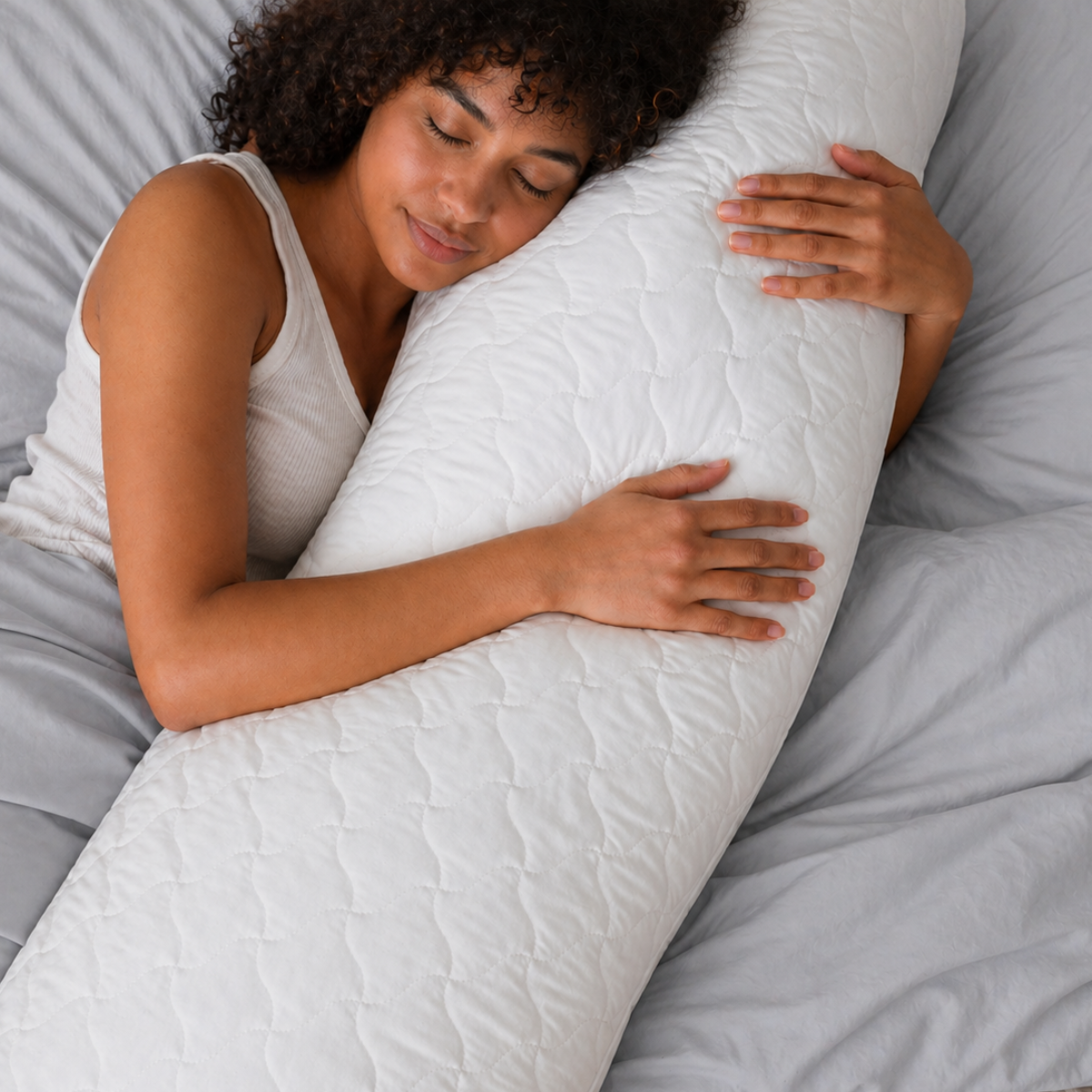
Pillow size also affects the final look of your bed. The most common pillow sizes are Standard, Queen, and King.
Standard pillows usually work well for twin and full beds. Queen pillows offer a little more length, while King pillows are designed to suit the width of a King bed.
The pillowcase should match the pillow size. A pillowcase that is too small may leave the pillow exposed, while one that is too large may create loose, floppy fabric at the end.

Common Bedding Size Mistakes to Avoid
One of the biggest mistakes is buying bedding based only on the bed size name. A Queen mattress from one brand may not feel exactly the same once mattress depth, toppers, and bedding style are considered.
Another common mistake is ignoring pocket depth when buying fitted sheets. If the sheet cannot cover the full mattress height, it may slip off during the night.
It is also important not to assume that all brands or countries use the same sizing standards. US, UK, and EU bedding sizes can be different, so always check the actual dimensions in inches or centimeters.
Finally, remember to consider the look you want. If you prefer a fuller, hotel-style bed, you may want a larger flat sheet, duvet, or comforter than the standard matching size.
Simple Steps to Pick the Perfect Bedding Size
First, measure your mattress length, width, and depth. Mattress depth is especially important for fitted sheets.
Next, decide how much overhang you want. A standard size creates a cleaner look, while a larger size gives more coverage and a softer, more luxurious drape.
Then, compare your measurements with the brand’s size chart. Do not rely only on labels like Queen or King.
For fitted sheets, make sure the pocket depth is deep enough for your mattress. For duvets and comforters, consider sizing up if you want more coverage or share the bed with a partner.
Get the Best Bedding Size for Better Sleep
The right bedding size helps your bed feel more comfortable and look more put together. A fitted sheet should stay secure without slipping. A flat sheet should provide enough room for movement. A duvet or comforter should give the level of coverage and drape you prefer.
Before buying a bedding set, always check your mattress measurements and compare them with the product size chart. A few minutes of measuring can help you avoid loose sheets, exposed corners, and bedding that feels too small.
When in doubt, keep fitted sheets precise and consider sizing up your top layer for extra comfort.
FAQs About Bedding Sizes
Q1: How do I know what size bedding to buy for my bed? Measure your mattress length, width, and depth, then compare those numbers with the product size chart. For fitted sheets, pay special attention to pocket depth.
Q2: Should I size up my duvet or comforter? Yes, if you want more coverage or a fuller look. Many people use a King duvet on a Queen bed for extra side drape and better comfort.
Q3: What if my mattress is extra thick or has a topper? Choose deep-pocket fitted sheets. Check the product details to make sure the sheet can fit your mattress height.
Q4: Are bedding sizes the same in every country? No. Bedding sizes can vary between the US, UK, EU, and other regions. Always check the actual measurements in inches or centimeters.
Q5: Should my duvet cover be the same size as my duvet insert? The duvet cover and insert should be very close in size, ideally within about 2 inches. This helps prevent shifting, bunching, and empty corners.


Leave a comment
This site is protected by hCaptcha and the hCaptcha Privacy Policy and Terms of Service apply.