
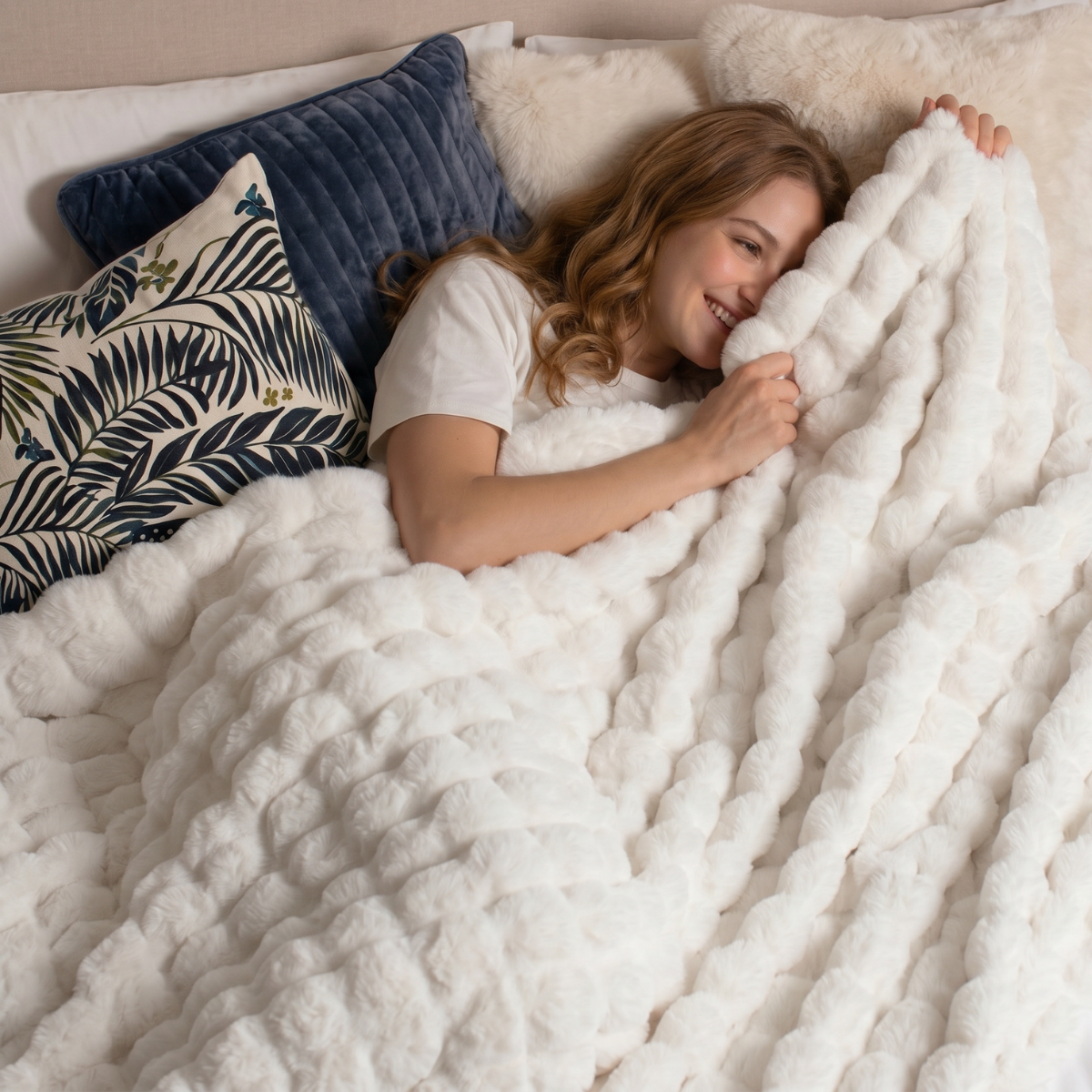

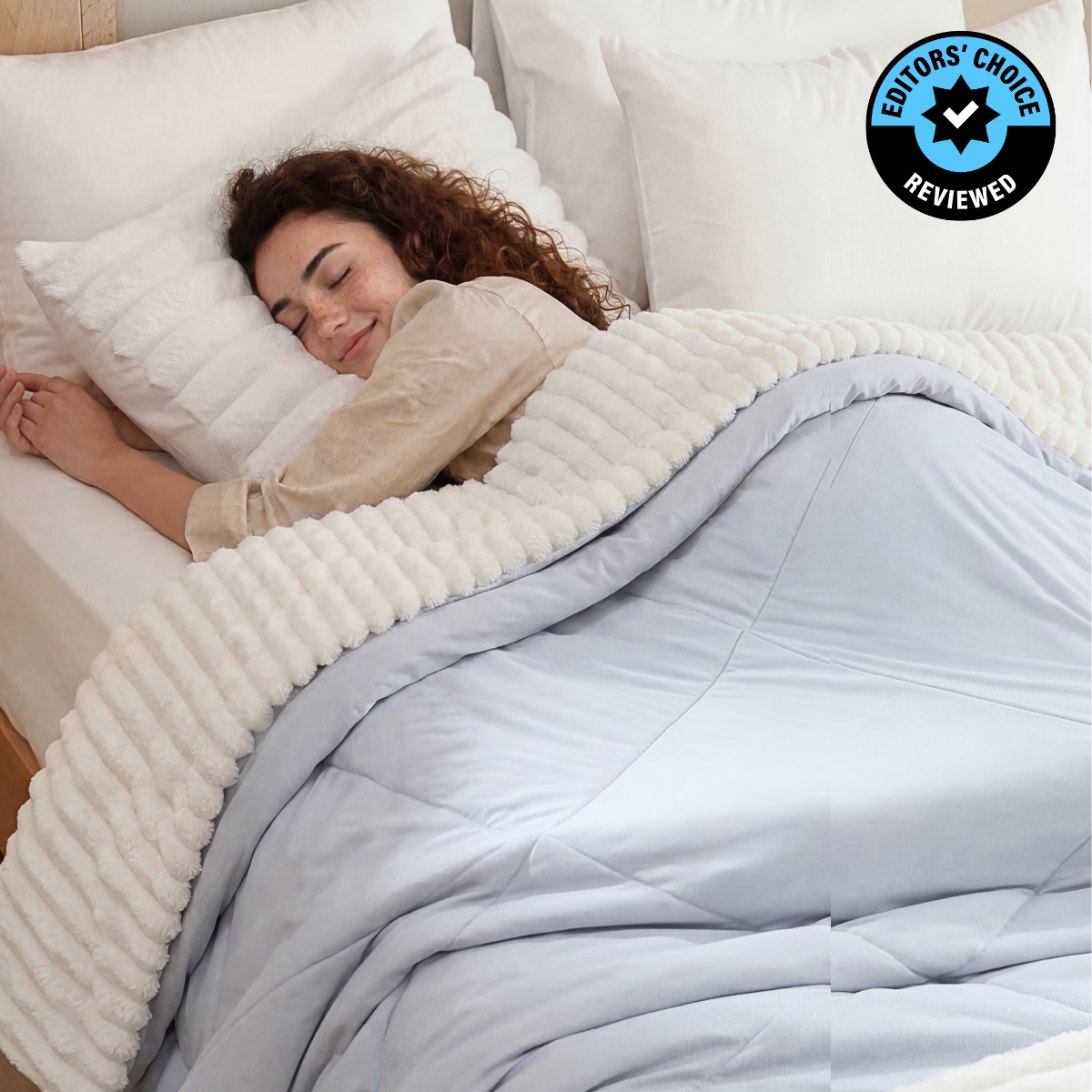




Why You Sleep Hot
Hot sleepers often wake up in pools of sweat every night. The constant cycle of throwing off covers and pulling them back on disrupts your sleep and leaves you exhausted the next day. But in many cases, the issue is not just your body. It is also your bedding.
Our bodies naturally lower core temperature to fall asleep and stay asleep. For hot sleepers, this process is easily disrupted. A comforter that traps heat works like insulation, holding warmth close to your body and preventing proper temperature regulation.
That is why the right cooling comforter can make such a difference. Instead of trapping heat, it helps release it.
A true cooling comforters does not generate cold air. It supports your body by improving airflow, managing moisture, and transferring heat away from your skin. Modern cooling designs, especially those using advanced fabrics and lightweight structures, are built to create a more balanced sleep environment.

- Metabolism: Some people naturally generate more body heat
- Environment: A warm bedroom increases heat retention
- Bedding Materials: Dense synthetic fabrics can trap heat and moisture
- Hormones: Changes can lead to night sweats and hot flashes
Understanding how your body interacts with bedding is the first step toward better sleep.
The Science of Cool
The word cooling is used everywhere, but in reality, it comes down to how materials and construction work together.
The Three Cooling Pillars
- Breathability: This is the most important factor. Breathability determines how easily air moves through the comforter. Lightweight structures and open fiber designs allow heat to escape instead of getting trapped.
- Moisture Wicking: Hot sleepers often sweat at night. A good cooling comforter pulls moisture away from your skin and allows it to evaporate quickly, helping you stay dry and comfortable.
- Thermal Conductivity: This creates a cool-to-touch sensation. High-performance cooling fabrics can draw heat away from your skin when you first lie down, delivering an instant cooling effect.
Material Deep Dive
Not all materials perform the same way. Beyond marketing claims, what matters is how the material handles airflow and heat transfer.
| Material | Breathability | Moisture-Wicking | Feel | Durability | Care |
| Cooling Performance Fabric | Very High | Excellent | Smooth, cool-touch | High | Easy care |
| TENCEL Lyocell | Very High | Excellent | Soft, silky | High | Durable |
| Cotton Percale | Very High | Good | Crisp, airy | High | Easy |
| Cotton Sateen | Moderate | Moderate | Smooth, heavier | High | Less breathable |
| Silk | High | Good | Lightweight, smooth | Delicate | Special care |
| Linen | Exceptional | Excellent | Airy, textured | Very High | Wrinkles easily |
| Standard Polyester | Low | Low | Soft but warm | High | Easy |
For hot sleepers, fabrics designed for heat transfer and airflow, especially cooling fabrics, often provide a more noticeable difference compared to traditional materials.
When choosing, it is also important to look for OEKO TEX certified materials to ensure safety and skin friendliness.
Debunking Common Myths
Myth 1: Higher thread count is always better
For cooling, this is not true. A higher thread count creates a tighter weave that blocks airflow. A moderate thread count with breathable construction works better.
Myth 2: Cooling comforters stay cold all night
Cooling products do not actively cool like a device. Instead, they help regulate temperature by releasing heat more efficiently and maintaining balance throughout the night.

A Practical Checklist
Choosing the right cooling comforter comes down to matching the product with your actual needs.
Climate and Seasonality
If you are a year-round hot sleeper, choose a comforter designed for continuous temperature regulation, not just summer use. Lightweight and breathable designs work best.
Fill Material and Weight
The fill determines how heavy and breathable the comforter feels.
- Lower GSM works better for hot sleepers
- Lightweight filling improves airflow
- Avoid overly dense or compact fills
Modern microfiber down alternatives arranged in breathable structures can provide softness while preventing heat buildup.
Shell Fabric
The outer fabric directly affects how the comforter feels on your skin.
Look for:
- Cool-to-touch performance
- Smooth, skin-friendly texture
- Breathable and lightweight construction
Advanced cooling fabrics can noticeably improve comfort, especially for those sensitive to heat.
Construction
Construction plays a key role in performance.
- Even distribution prevents hot spots
- Structured filling improves airflow
- Lightweight layering reduces pressure
Breathable 3D structures allow air to move more freely, helping maintain a balanced temperature.
Personal Feel Preference
Some people prefer a silky smooth cooling feel, while others prefer a crisp and airy texture. Choosing the right feeling can significantly improve your sleep experience.
Care and Maintenance
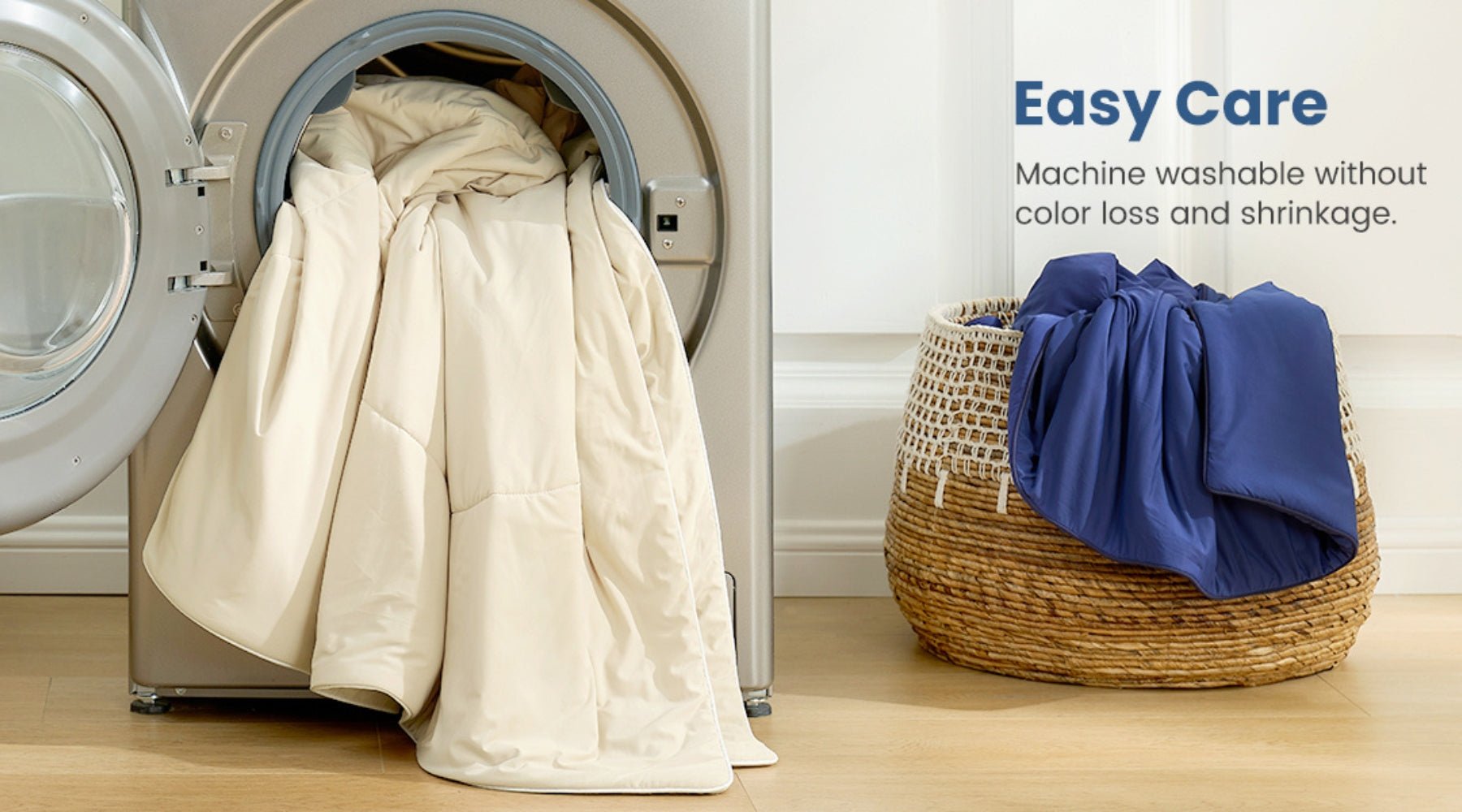
Easy-care comforters are more practical for everyday use.
Look for:
- Machine washable design
- Durable structure
- Low-maintenance materials
A Complete Cooling System
Even the best cooling comforter works better when paired with the right layers.
Sheets
Choose breathable sheets such as cotton percale, Tencel, or cooling fabric sets. Cooling pillowcases can further reduce heat buildup around the head and neck.

Pillows
Your head releases a lot of heat during sleep. Breathable or cooling pillows can improve overall comfort.

Mattress and Topper
Some mattresses trap heat. Adding a breathable topper can help regulate temperature more effectively.

Pajamas
Loose, breathable sleepwear helps support the cooling system.
When all layers work together, your bed becomes a complete system designed for airflow, comfort, and temperature balance.
Care and Longevity
Proper care helps maintain both comfort and performance.
Read the Label
Always follow the recommended instructions.
Wash Correctly
Use cold water and gentle cycles to protect fabric performance.
Dry Gently
Low heat or air drying helps maintain structure and softness.
Avoid Common Mistakes
Avoid fabric softener and high heat, as these can reduce breathability and damage cooling performance.
With proper care, a well-designed comforter can maintain its structure and comfort over time.
Your Best Sleep Awaits
Choosing the right cooling comforter is about understanding materials, recognizing your needs, and building a complete sleep environment.
By focusing on breathable fabrics, lightweight construction, and thoughtful design, you can reduce overheating and finally enjoy deeper, uninterrupted sleep.
Frequently Asked Questions
Q How long does it take to notice a difference
A Many people notice immediate improvement, especially the cool-to-touch feel. Full benefits become clearer after a few nights.
Q Can I use a cooling comforter in winter
A Yes. Cooling comforters regulate temperature rather than simply cooling, making them suitable for year-round use.
Q Do cooling comforters work for couples
A Yes. They respond to individual body heat, helping balance temperature for different sleepers.
Q How often should I wash it
A Every two to three months, or more often if needed. Using a duvet cover can extend time between washes.
Q Is it worth upgrading
A For hot sleepers, better temperature regulation can significantly improve sleep quality and daily comfort.

Leave a comment
This site is protected by hCaptcha and the hCaptcha Privacy Policy and Terms of Service apply.