
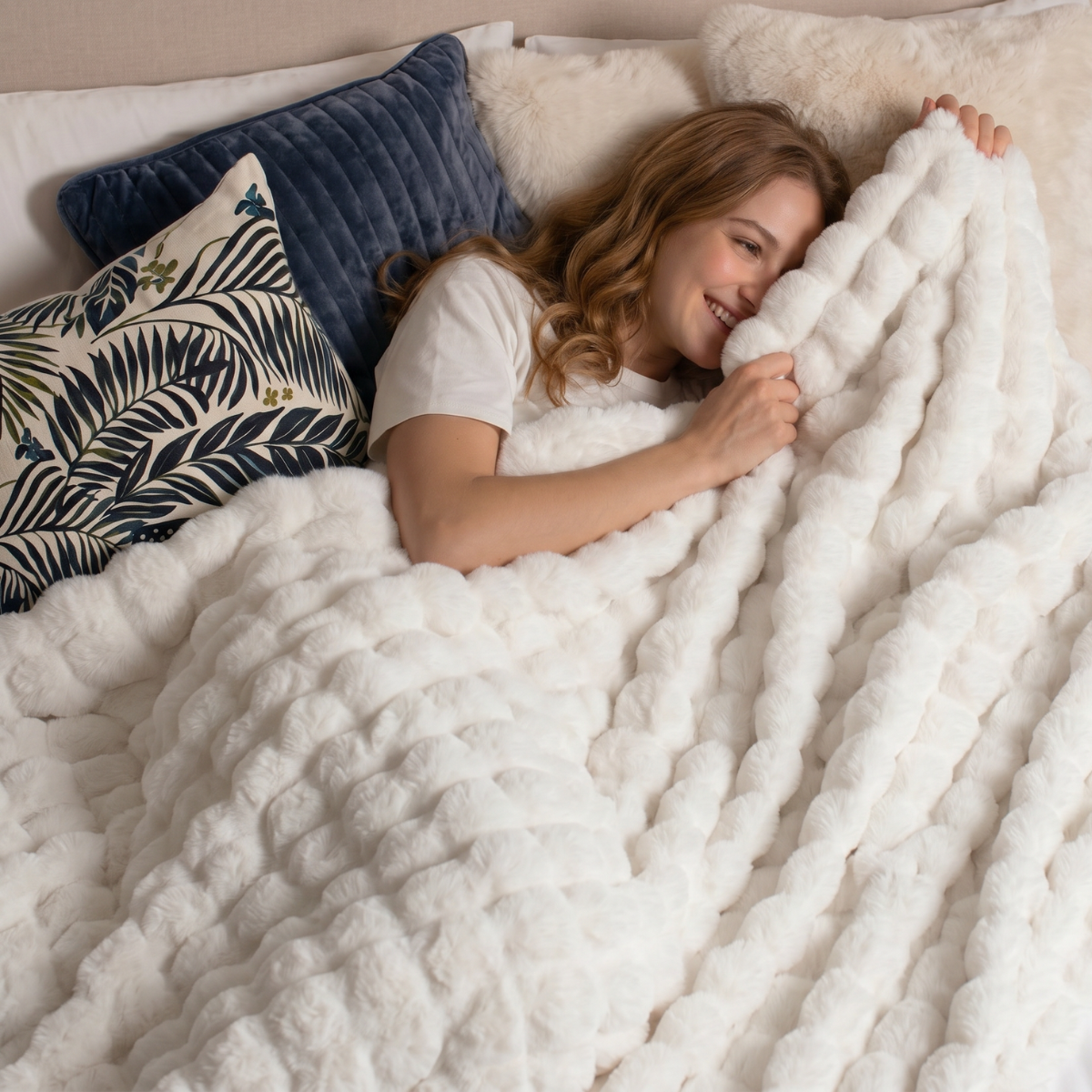
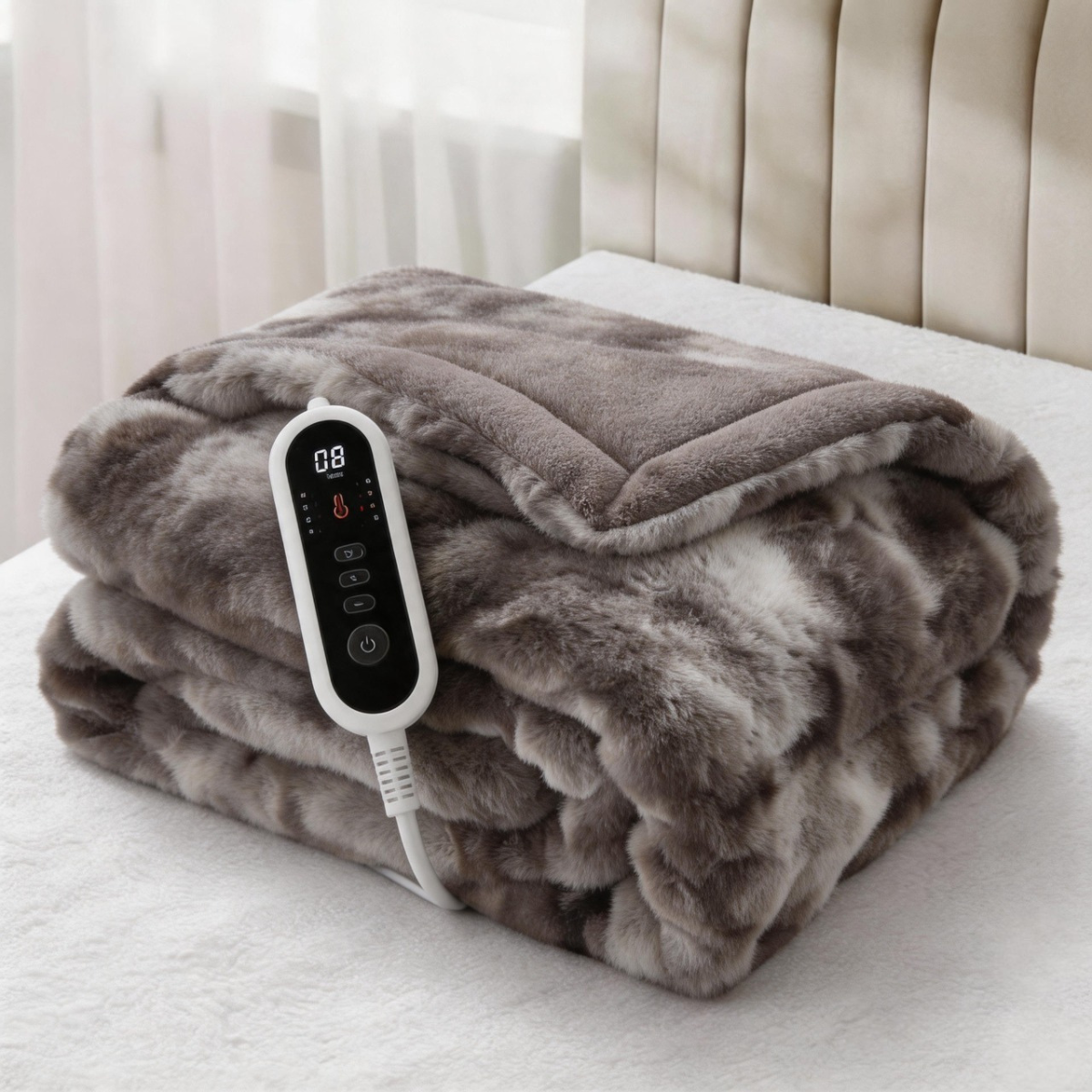

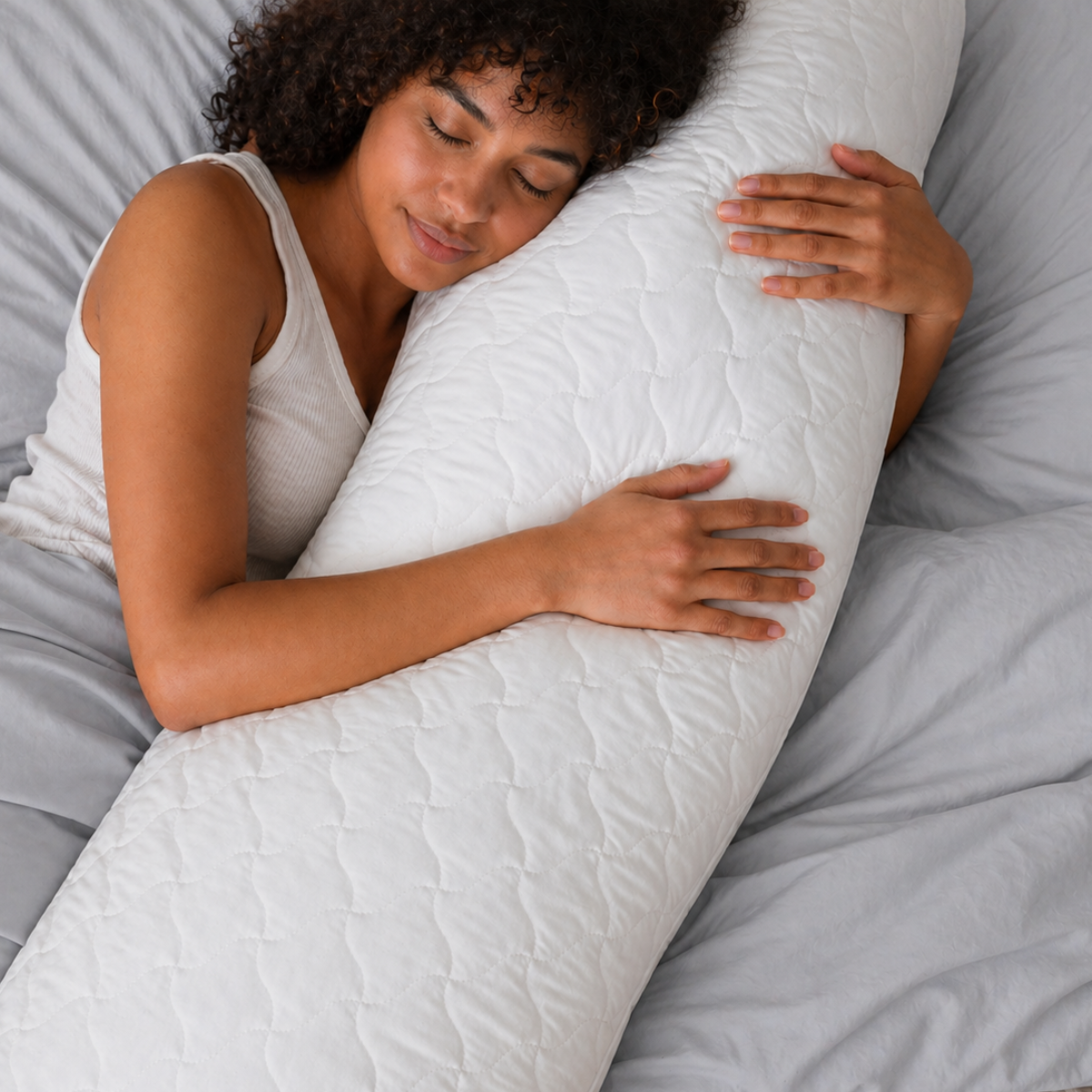
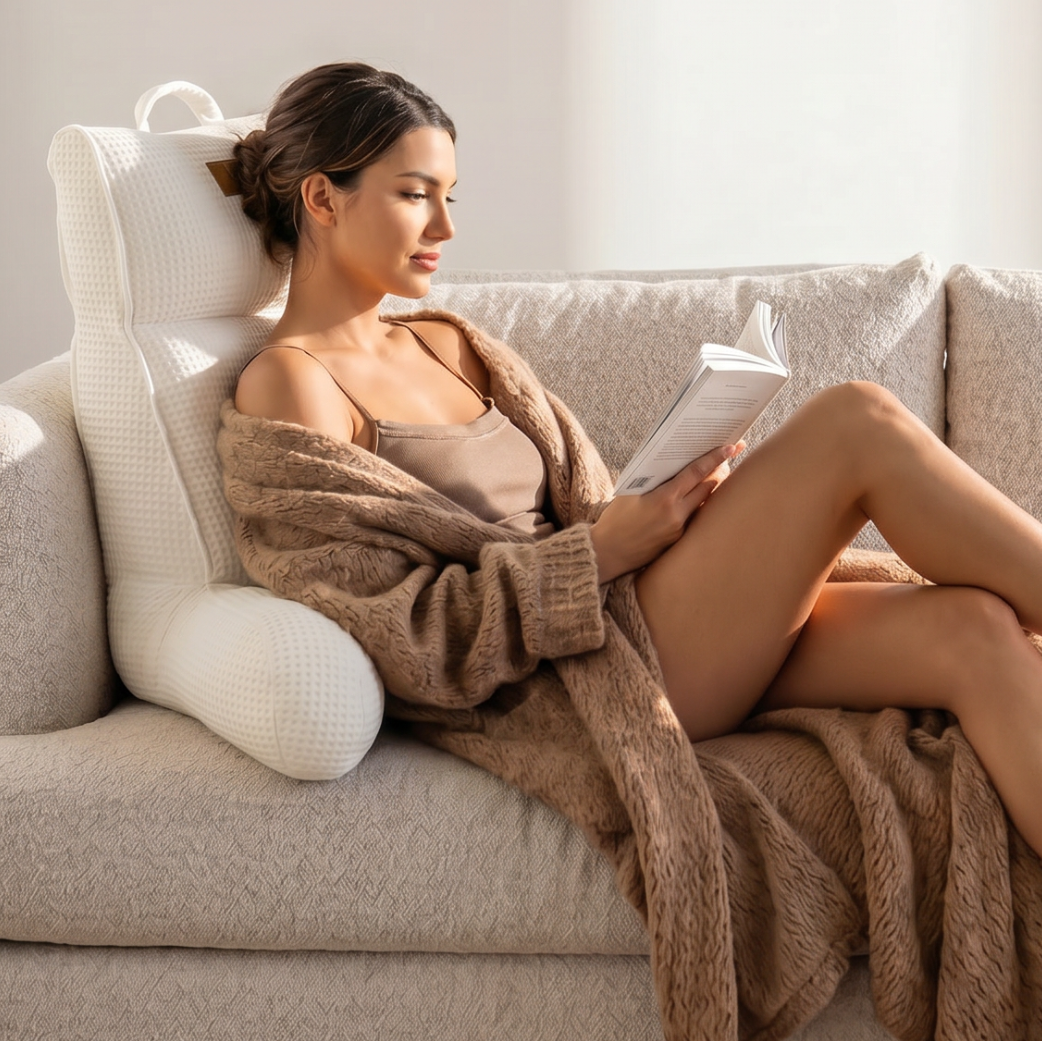
If you’ve ever woken up in the middle of a summer night feeling hot, slightly damp, and unable to get comfortable again, you already know how much bedding affects sleep. A lot of people assume it’s just the temperature of the room, but in reality, what you sleep on matters just as much—sometimes even more.
Over time, your body releases heat and moisture while you sleep. If your bedding traps that heat, it creates a warm, humid layer around you that makes it harder to stay asleep. That’s why the right summer bedding isn’t just about being “lightweight.” It’s about choosing fabrics that can breathe, manage moisture, and actually help regulate temperature through the night.
As one textile specialist put it, “Cooling bedding isn’t about feeling cold when you first lie down—it’s about staying comfortable after several hours of real sleep.” That’s the difference most people start to notice once they switch to better materials.
Why Fabric Choice Matters More Than You Think
In warm weather, your bedding becomes part of your body’s temperature system. If the material doesn’t allow airflow or absorb moisture properly, heat builds up quickly—even if your room is cool.

This is why two blankets that look similar online can feel completely different in real use. One might feel soft at first but quickly turn warm and heavy, while another stays breathable and dry all night. The difference usually comes down to fiber structure, fabric technology, and how well the material handles heat over time.
Instead of focusing only on thickness or softness, it helps to think about performance: how the fabric behaves after hours of contact with your skin.
What Actually Makes a Fabric “Cooling”
Cooling bedding works because of a combination of factors, not just one feature. The most effective materials usually balance three things at the same time.

Breathability
Airflow is essential. Fabrics that allow air to circulate prevent heat from getting trapped around your body. Natural fibers and advanced open-structure materials tend to perform best here.
Moisture Control
Sweat is one of the main reasons people feel uncomfortable at night. Materials that wick moisture away from your skin help you stay dry instead of sticky, which directly improves sleep quality.
Heat Dissipation
Some fabrics go a step further by actively pulling heat away from your body. This creates that cool-to-the-touch sensation and helps prevent overheating as the night goes on.
When these three elements work together, the difference is noticeable not just at bedtime, but throughout the entire night.
Fabric Comparison for Summer Bedding
Here’s a practical comparison based on real-world use, not just marketing claims:
| Fabric | Best For | Key Benefits |
| TENCEL lyocell | Hot sleepers, sensitive skin | Silky smooth, moisture-wicking, highly breathable, naturally cool to the touch |
| Sorona viscose | Lightweight comforters, eco-conscious users | Airy and breathable, durable, retains shape well, plant-based and sustainable |
| Outlast PCM | Night sweats, temperature fluctuations | Actively regulates heat, stabilizes body temperature for consistent comfort |
| Cotton (Percale) | Everyday use | Breathable, natural, easy to care for, crisp and lightweight feel |
| Linen | Very hot climates | Extremely breathable, airy structure, long-lasting and durable |
| Bamboo viscose | Entry-level cooling | Soft, breathable, moisture-wicking, smooth against skin |
Sorona Viscose: Light, Airy, and Surprisingly Durable
Sorona-based bedding has become a strong choice for summer comforters, especially for people who don’t like heavy layers but still want a soft, “cloud-like” feel. Because it’s derived from plant-based materials, it naturally creates a breathable structure that allows heat to escape instead of building up.

One of the biggest advantages is how it balances softness and resilience. Many lightweight comforters lose their loft after repeated washing, but Sorona tends to hold its shape well, which makes it more practical for everyday use. It also requires less energy to produce compared to traditional synthetic fibers, making it a more sustainable option without sacrificing comfort.
TENCEL Lyocell: Smooth, Cool, and Reliable
TENCEL is often considered one of the best materials for summer sheets and pillowcases, and once you try it, the difference is easy to notice. It has a naturally smooth, almost silky feel that stays cool against the skin, especially during warm nights.

What really sets it apart is moisture control. Instead of holding onto sweat like some cotton fabrics, TENCEL absorbs and releases moisture quickly, helping your skin stay dry. This is particularly important if you tend to wake up feeling sticky or overheated.
Sleep consultants often recommend TENCEL for consistent performance. It doesn’t just feel good at first—it continues to regulate temperature over time, which is what actually improves sleep quality.
Outlast Technology: For People Who Overheat Easily
For those who deal with night sweats or fluctuating body temperature, Outlast offers a more advanced solution. Originally developed using phase-change technology, it works differently from standard fabrics.

Instead of simply letting heat escape, it actively absorbs excess heat when your body warms up and releases it when you cool down. This helps maintain a more stable sleep environment, which can reduce tossing and turning during the night.
It’s especially useful for people who find themselves kicking off blankets and pulling them back on repeatedly—something that usually signals inconsistent temperature control.
Don’t Overlook Traditional Materials
While newer fabrics are impressive, traditional materials still have their place, especially when chosen carefully.
Cotton remains one of the most accessible options. A percale weave, in particular, offers better breathability than standard cotton and works well in moderately warm climates. Linen is even more breathable, making it ideal for very hot environments, although it has a more textured feel.
Bamboo-based fabrics offer a softer alternative with decent moisture-wicking ability, though the quality can vary depending on how they’re made.
How to Build a Summer Bedding Setup That Actually Works
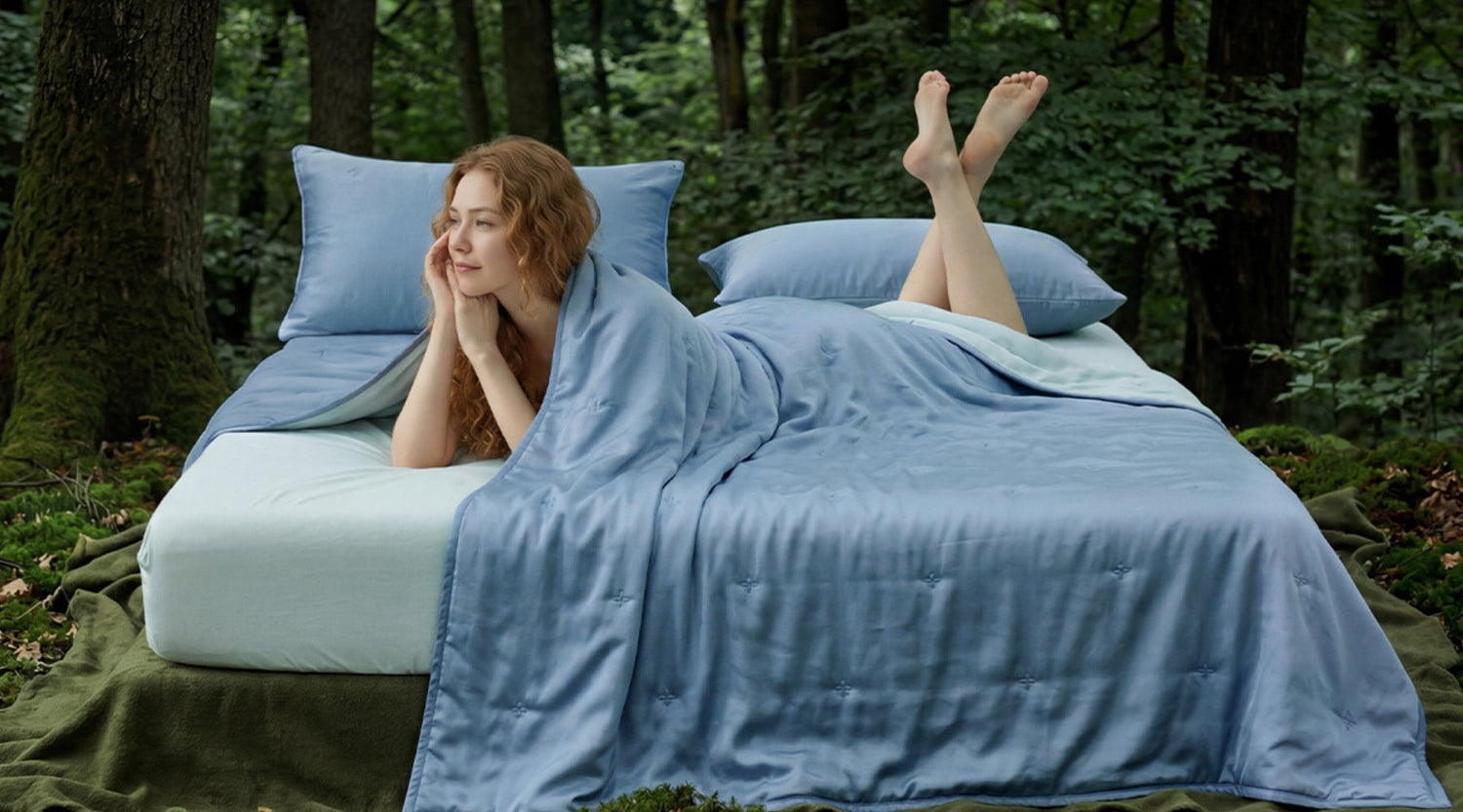
The most effective approach isn’t relying on just one product—it’s combining the right layers. A well-balanced summer bedding setup usually includes a lightweight comforter that doesn’t trap heat, breathable sheets that allow airflow, and pillowcases that stay cool against your skin.

When these pieces work together, the difference feels natural. You don’t notice your bedding as much—you just sleep better. And that’s usually the goal.
Final Thoughts
Finding the right summer bedding fabric isn’t about chasing trends. It’s about understanding how materials behave after hours of real use. The best options don’t just feel soft at first—they stay breathable, dry, and comfortable through the night.
Modern fabrics like Sorona, TENCEL, and Outlast offer more targeted solutions for hot sleepers, while natural materials like cotton and linen still provide reliable comfort. The key is choosing what fits your sleep habits and environment.
Once you get it right, your bedding stops being something you think about—and just becomes part of a good night’s sleep.
FAQ
What is the best fabric for summer bedding
TENCEL and bamboo are ideal for sheets, while Sorona works well for lightweight comforters.
Is cotton good for hot sleepers
Yes, especially breathable weaves like percale, though it may not wick moisture as efficiently.
What makes bedding feel cool
Breathability, moisture-wicking, and heat dissipation all play a role.
Is TENCEL better than cotton
In warm conditions, TENCEL often performs better due to moisture control and smooth texture.
Are cooling fabrics safe for sensitive skin
Most OEKO TEX certified materials are safe and suitable for daily use.


Leave a comment
This site is protected by hCaptcha and the hCaptcha Privacy Policy and Terms of Service apply.