
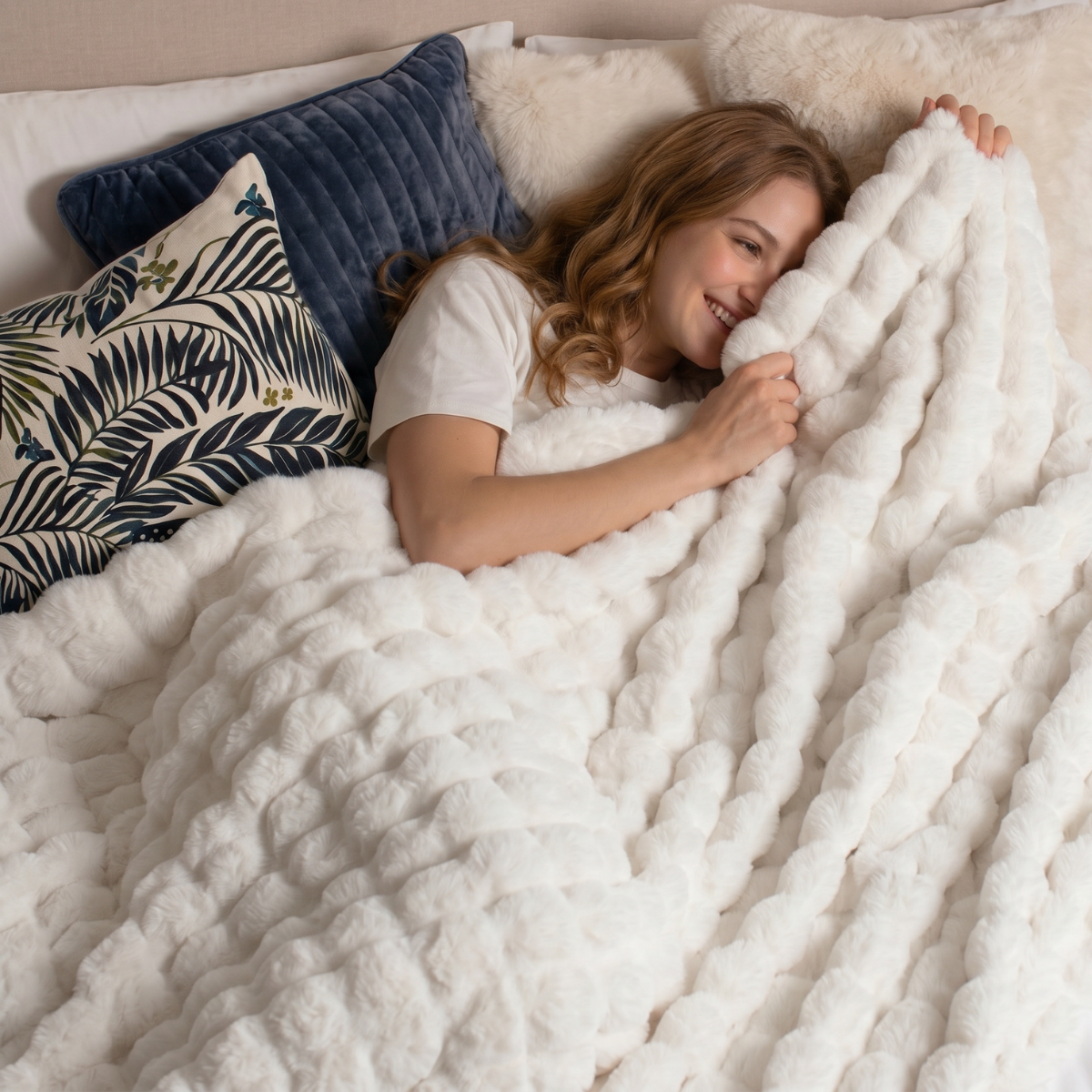




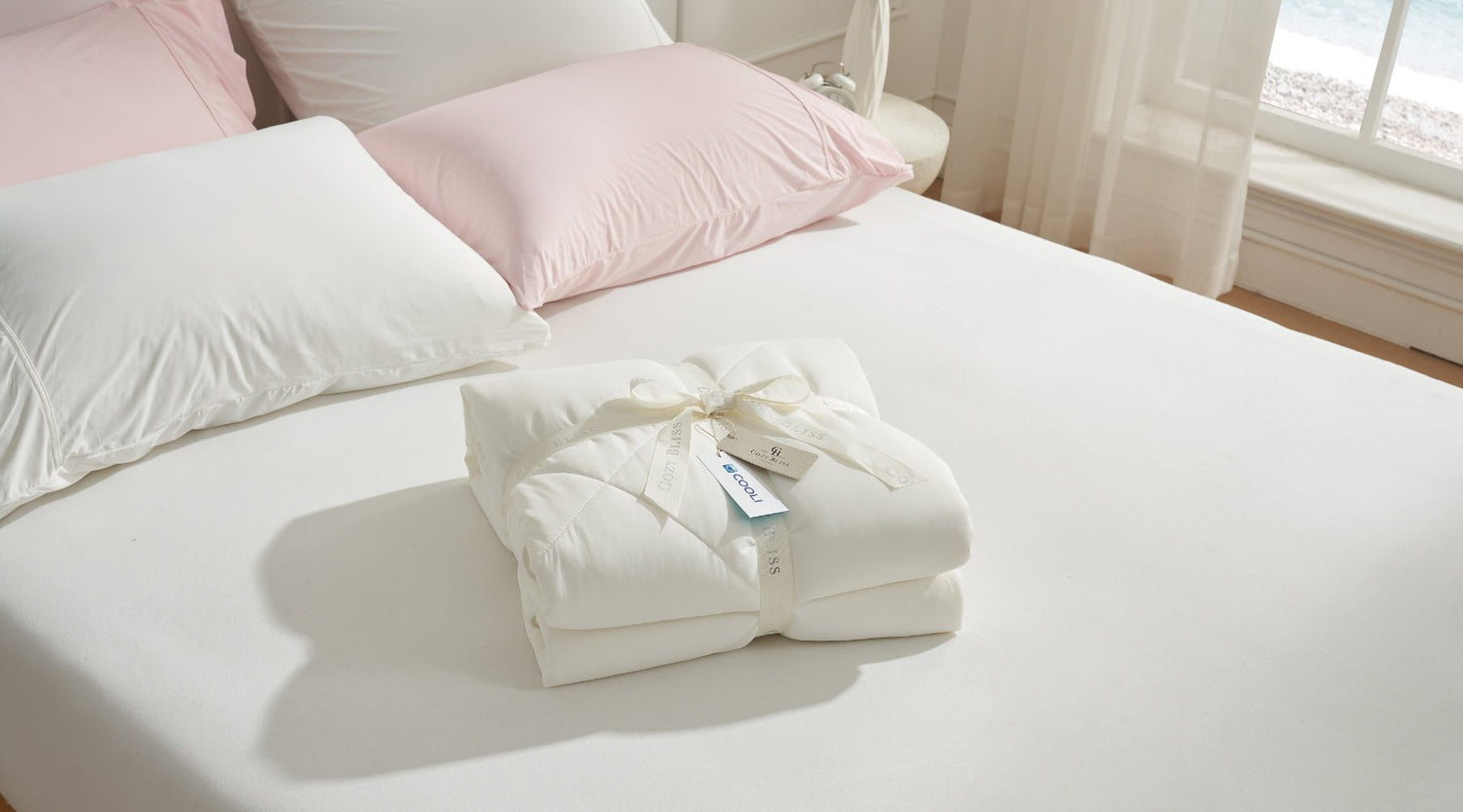
If you’ve ever woken up in the middle of the night feeling too warm, kicking off your blanket, then pulling it back on minutes later, you’re not alone. For hot sleepers, summer nights can feel like a constant battle between comfort and temperature.
But here’s what most people get wrong: sleeping cooler isn’t about removing layers. It’s about building a summer bedding setup that works with your body, not against it.
Once you understand how heat, airflow, and fabric interact, creating a comfortable sleep environment becomes much easier—and far more effective.
Why You Still Feel Hot at Night
Many people assume the problem is room temperature. While that plays a role, the bigger issue is often your bedding.
Your body naturally lowers its core temperature to fall asleep and stay asleep. But when your bedding traps heat or moisture, it disrupts that process. Instead of cooling down, your body stays in a constant cycle of overheating and adjusting.
As one sleep product specialist explains:
“Most sleep discomfort isn’t caused by how warm your room is—it’s caused by how poorly your bedding releases heat.”
That’s why simply switching to a thinner blanket doesn’t always solve the problem.
What Actually Makes Summer Bedding Work
A good summer bedding setup is built around three key principles. Instead of only focusing on lighter materials, it’s more important to understand how your bedding handles heat, airflow, and moisture throughout the night. For hot sleepers, real comfort comes from keeping the body cool, dry, and balanced.

Breathability
Air needs to move freely through your bedding, because once airflow is restricted, heat starts to build up around your body. Some fabrics may feel soft at first but trap warmth over time. Breathable materials allow heat to escape more easily, helping maintain a more consistent and comfortable sleep temperature.
Moisture Control
Sweat is one of the main reasons people wake up uncomfortable. When moisture gets trapped, it creates a damp and sticky feeling that disrupts sleep. Fabrics that wick moisture away and dry quickly help keep your skin dry, which plays a big role in overall comfort during warm nights.
Heat Dissipation
Some advanced fabrics are designed to draw heat away from your body, creating that cool-to-the-touch feeling when you lie down. While the sensation may soften over time, materials with better heat transfer continue to release warmth more effectively, preventing heat buildup as you sleep.
Step 1: Start with Cooling Sheets That Actually Breathe
Your sheets are the foundation of your sleep setup. If they don’t perform well, nothing else will.
Look for fabrics that feel smooth, lightweight, and breathable against the skin. Cooling sheet sets made with advanced blends can go beyond basic cotton by combining:
- Soft, silky texture
- High elasticity for a secure fit
- Moisture-wicking performance
- Anti-static properties for smoother sleep
Some newer cooling fabrics are designed with a Q-max rating above 0.4, meaning they can instantly transfer heat away from your skin. In real use, this translates to a noticeably cooler surface, especially during warm nights.
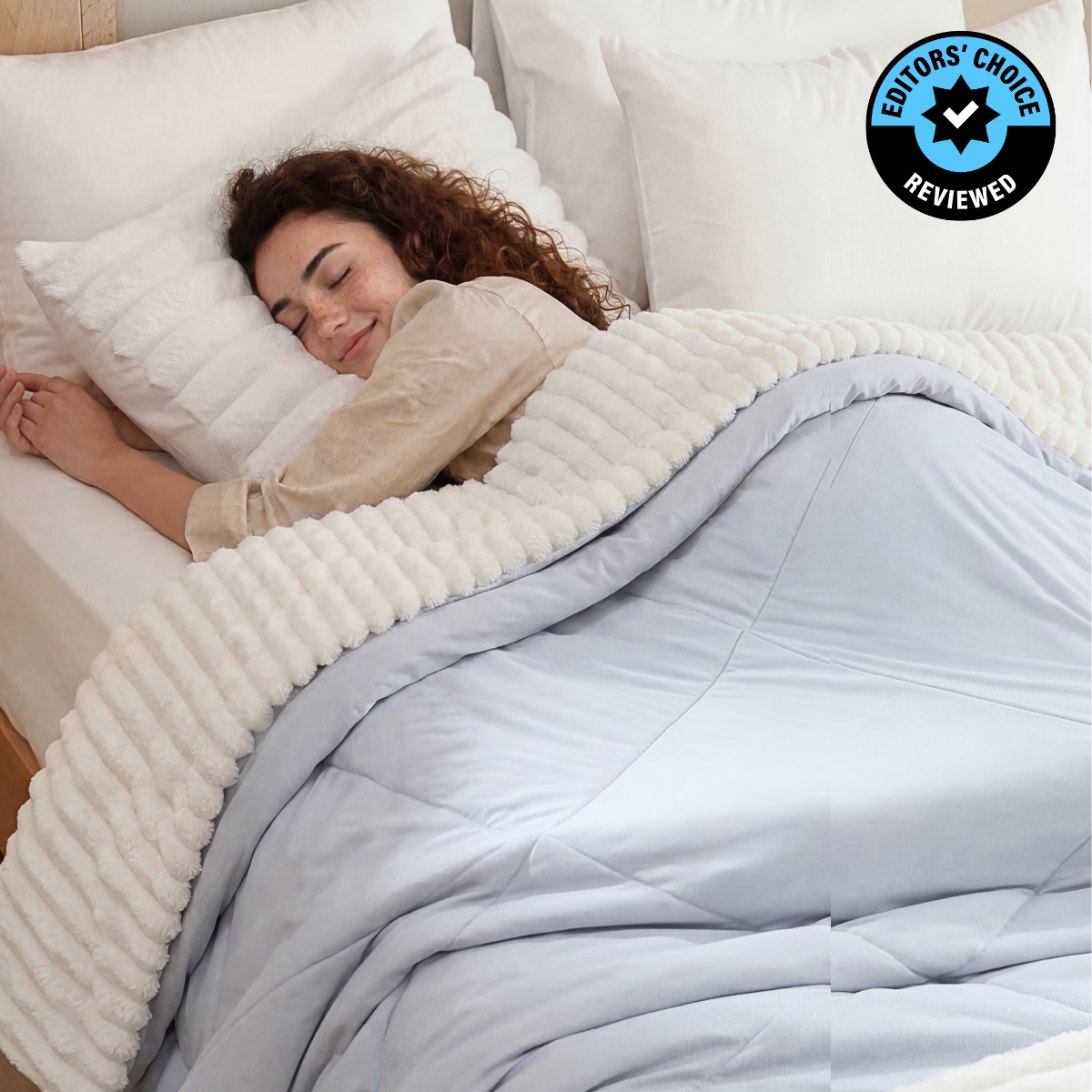
Step 2: Choose a Lightweight Cooling Comforter, Not No Blanket
A common mistake is removing the blanket completely. But most people actually sleep better with some level of coverage.
The key is choosing a lightweight cooling comforter that doesn’t trap heat.
Modern cooling comforters are very different from traditional ones. Instead of acting like insulation, they are designed to:

- Absorb and release body heat efficiently
- Promote airflow through breathable structure
- Maintain a light, cloud-like feel without heaviness
For example, comforters made with advanced cooling fabrics can help lower skin temperature by several degrees while still feeling soft and cozy. Combined with a 3D fiber fill, they provide support and comfort without bulk.
This balance—lightweight but not flimsy—is what makes them suitable for both summer and year-round use.
Step 3: Upgrade Your Pillowcase (It Matters More Than You Think)
Your head releases a significant amount of heat during sleep. If your pillow traps heat, it can quickly affect your overall comfort.

A cooling pillowcase made with smooth, breathable fabric can help:
- Reduce heat buildup
- Minimize friction on skin and hair
- Prevent static and dryness
- Maintain a cooler surface throughout the night
High-quality cooling pillowcases often feel silky but are more durable and breathable than traditional materials. Over time, they also help reduce irritation caused by heat and friction.
Step 4: Don’t Ignore Your Mattress Layer
Even with the best sheets and comforter, heat can still build up from below.
Dense foam mattresses are known for trapping heat. Adding a breathable cooling mattress topper can create a barrier that improves airflow and reduces heat retention.

Look for features like:
- Breathable outer fabric
- Moisture-wicking surface
- Anti-static and anti-shedding properties
- Soft but supportive fill
A well-designed topper helps regulate temperature while also improving comfort—especially for hot sleepers or those sensitive to pressure.
What a Complete Summer Bedding Setup Feels Like
When everything works together, you’ll notice the difference immediately.
Instead of waking up overheated, your body stays in a comfortable range. You don’t need to constantly adjust your blanket. Your bedding feels dry, breathable, and consistent throughout the night.
It’s not about feeling cold—it’s about maintaining balance.
Why Fabric Quality and Safety Matter
Comfort is important, but so is what your bedding is made of.
High-quality bedding is often tested to meet strict safety standards, ensuring it’s free from harmful substances and safe for daily skin contact. Certifications like OEKO-TEX STANDARD 100 provide an extra level of confidence, especially for people with sensitive skin.
Better materials also perform better over time. They resist fading, maintain softness, and hold their structure even after repeated washing.
Small Changes That Make a Big Difference
You don’t need to replace everything at once.
Start with one upgrade—better sheets, a cooling comforter, or a pillowcase—and build from there. Each improvement adds to your overall comfort.
Over time, these small changes create a sleep environment that feels completely different.
Final Thoughts
Building the perfect summer bedding setup isn’t about using less—it’s about using smarter materials and better design.
When your bedding supports airflow, manages moisture, and adapts to your body, sleep becomes easier and more consistent.
And once you experience that kind of comfort, it’s hard to go back.
FAQ
What is the best summer bedding for hot sleepers
Breathable, moisture-wicking fabrics with cooling properties work best for regulating temperature.
Do cooling comforters really work
Yes, especially those made with high-performance cooling fabrics that help dissipate heat.
Is it better to sleep without a blanket in summer
Not necessarily. A lightweight cooling blanket often improves sleep quality more than no blanket at all.
What makes sheets feel cooler
Breathability, moisture control, and heat transfer performance all contribute to a cooler feel.
How can I stop waking up hot at night
Focus on improving your bedding system rather than just lowering room temperature.

Leave a comment
This site is protected by hCaptcha and the hCaptcha Privacy Policy and Terms of Service apply.