

You wake up in a sweat, kick off your covers, and flip your pillow to find the cool side. This sounds familiar to many people. We know how frustrating it is to be a hot sleeper when you just want good rest. The answer isn't finding one magic cooling sheet that solves everything. The real solution is building a complete bedding system that breathes well. This guide will show you how to pick and layer every part, from sheets and comforters to pillows and protectors, for the best cool comfort.
Understanding Why You Sleep Hot
Getting cooler sleep starts with knowing the basic rules. It's about science, not tricks.
The Science of Cool Sleep
Two main things decide how cool your bedding feels: how well air moves through it and how it handles sweat. You need to know the difference between these two things.
Breathability means air can pass through the fabric easily. Good airflow lets your body heat escape instead of getting stuck under your covers. Moisture-wicking means the fabric pulls sweat away from your skin and moves it to the surface where it can dry up. This process naturally cools you down.
Many cooling technologies are just fancy names for these basic features. Experts have tested sheets with cooling technology and found that regular breathable fabrics often work better, so we focus on materials that do these basics well.
Body and Environmental Factors
Your bedding isn't the only thing that matters. Your body's internal temperature control, which depends on your metabolism and hormones, plays a big role too. Your bedroom temperature matters just as much. The best room temperature for sleep is between 65 and 68 degrees Fahrenheit (18.3 to 20 Celsius). This cool environment helps your body's natural temperature drop, which you need to fall asleep and stay asleep.
Building Your Cooling System
A truly cool bed needs more than just good sheets. Every layer must work together to let air flow and manage heat well. Here's how to build your system, one piece at a time.
The Foundation: Cooling Sheets
This layer sits directly against your skin, so breathability and moisture control matter most. Materials like linen, cotton percale, and bamboo are often recommended because they allow air to circulate and help wick away sweat.
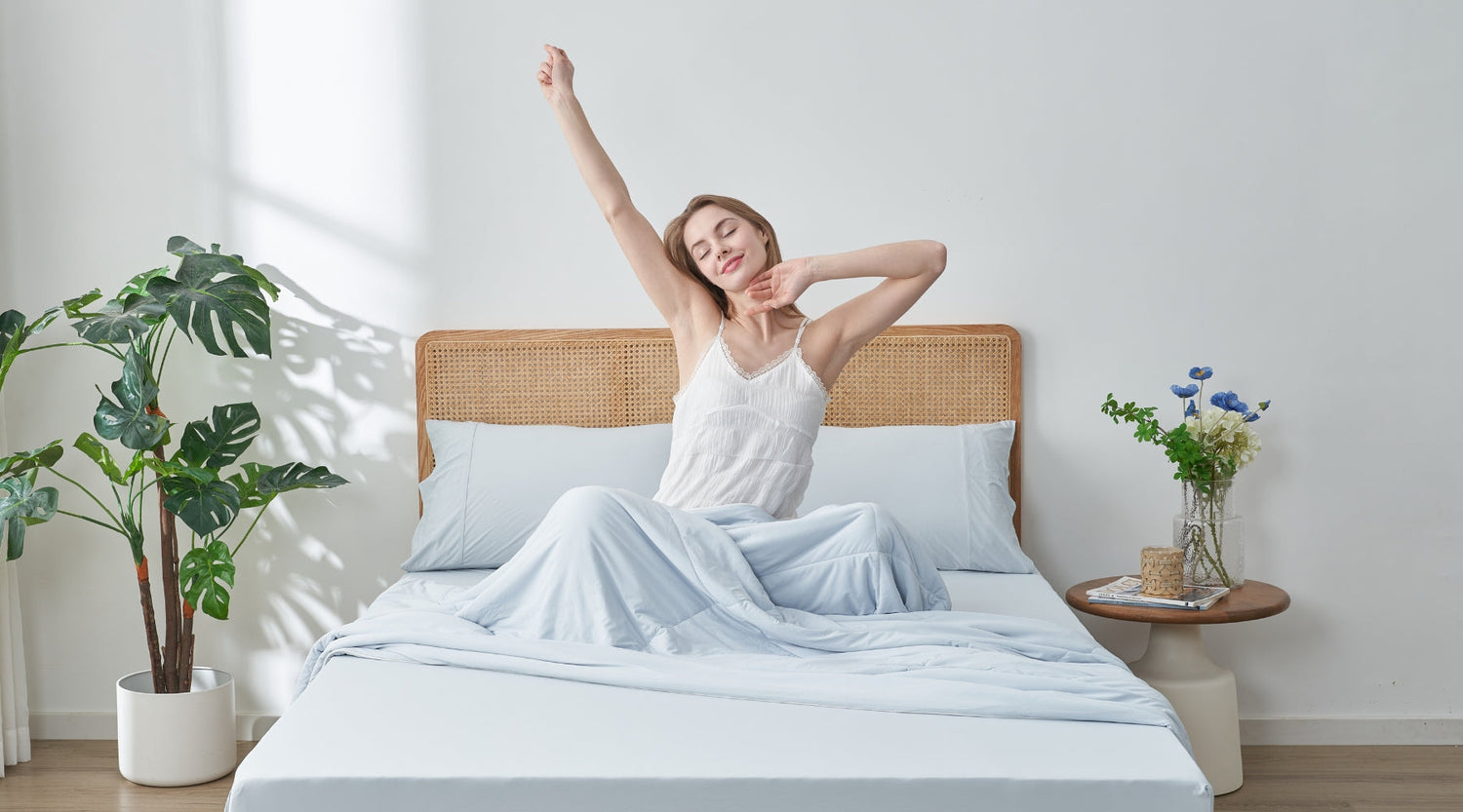
In real use, though, comfort isn’t just about the material—it’s also about how the sheets perform day to day. A well-designed cooling sheet set should feel soft, lightweight, and smooth against the skin, while still staying breathable throughout the night. Features like a secure fitted sheet, gentle stretch, and easy-care fabric also make a noticeable difference in everyday use.

At the same time, sheets alone don’t solve the problem. Even the best cooling sheets can’t work effectively if the layers above them trap heat.
Beyond Sheets: Breathable Comforters
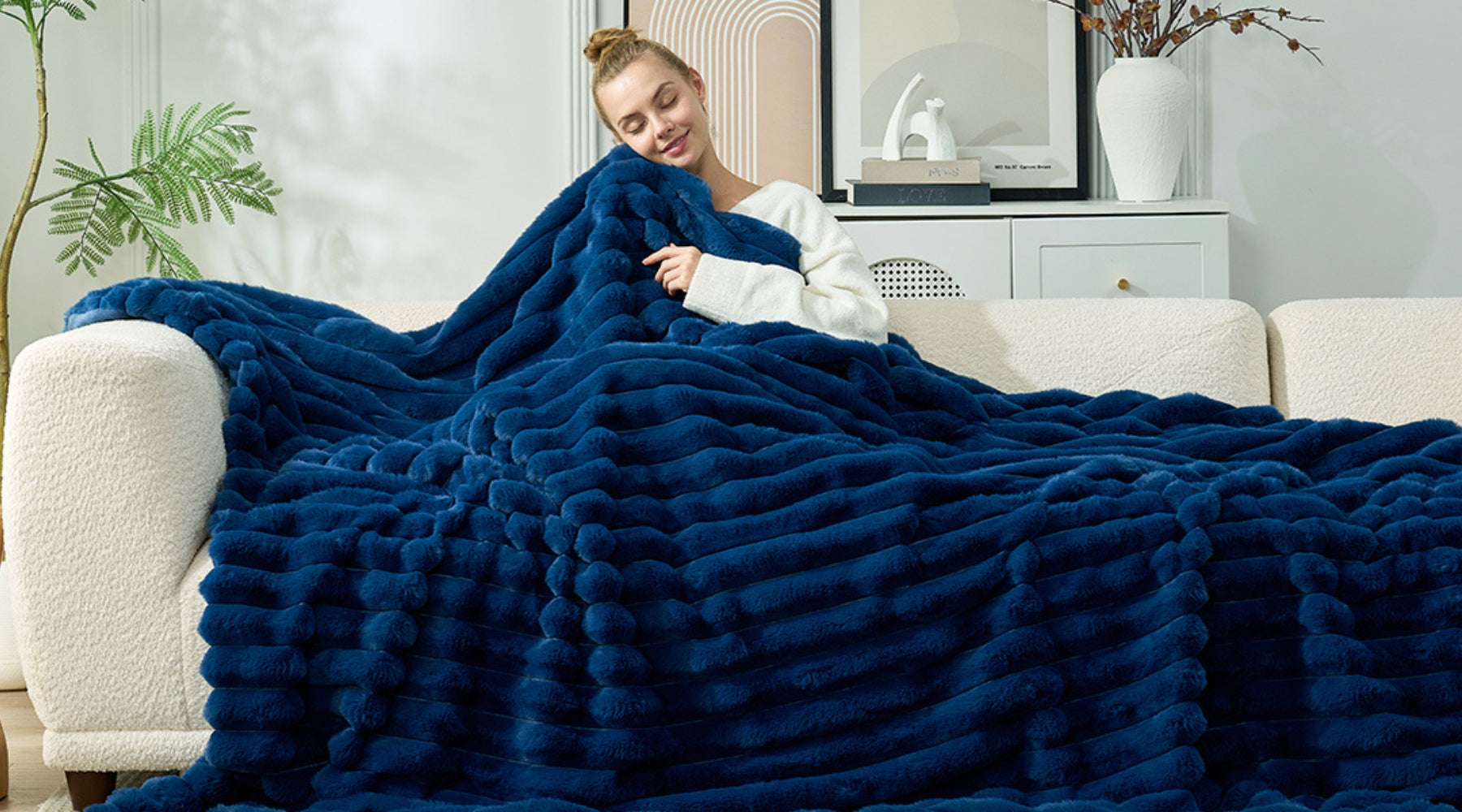
That’s why the comforter plays such a critical role in your cooling system. A heavy, non-breathable comforter can easily cancel out the benefits of your sheets by trapping heat overnight.
Instead of relying on bulk, modern cooling comforters are designed to stay light, airy, and breathable. Advanced fabrics like Japanese Arc-Chill (Q-Max > 0.46) actively absorb body heat and help accelerate moisture evaporation, which can lower skin temperature and reduce that “overheating” feeling many hot sleepers experience.

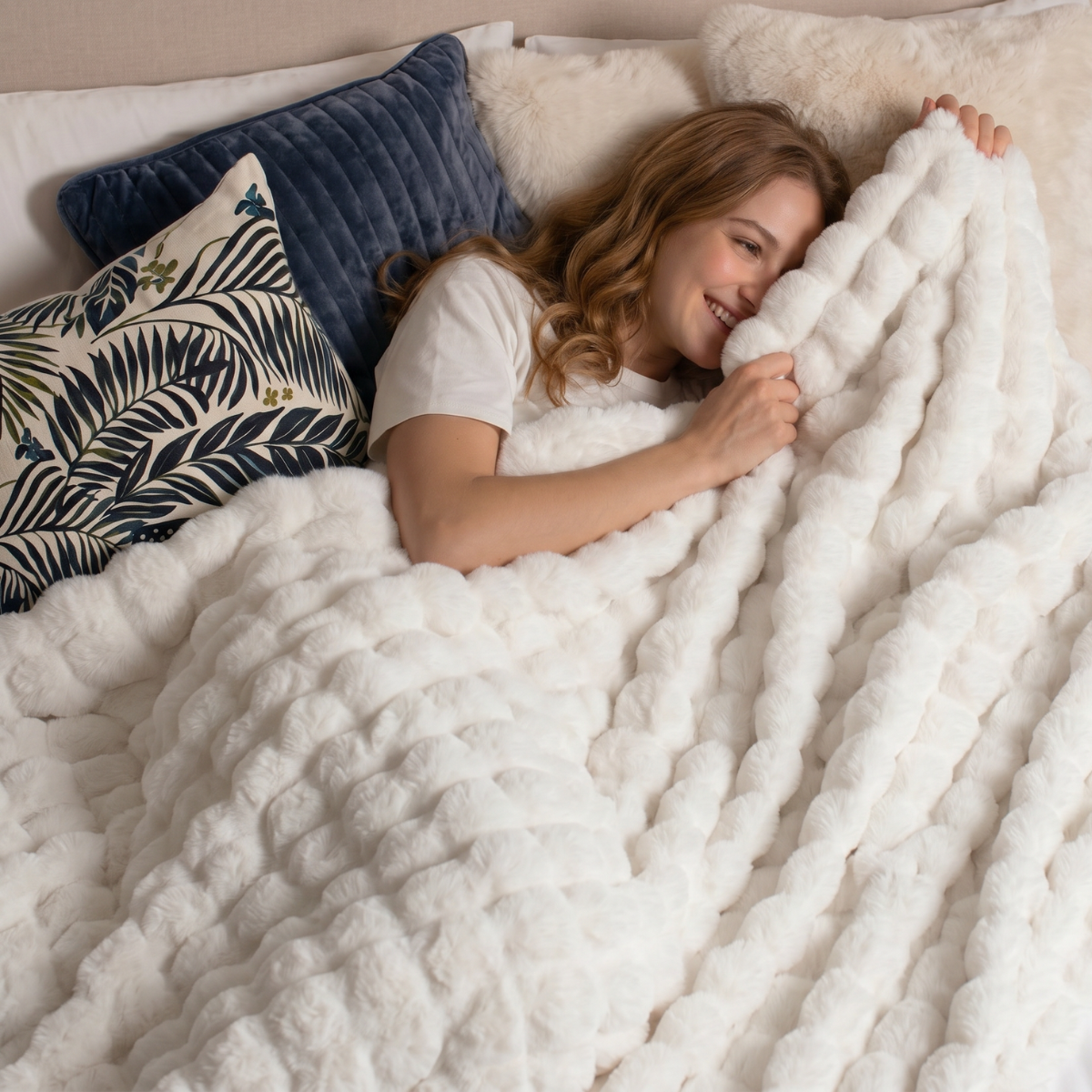
What makes the biggest difference is how these comforters balance cooling with comfort. Soft, OEKO-TEX certified fabrics combined with lightweight, breathable structures—such as 3D hollow fiber filling—create a cloud-like feel without adding weight. The result is a comforter that stays cool, dry, and comfortable throughout the night, rather than feeling heavy or stuffy.
Overlooked Cooling Components
Even with the right sheets and comforter, small details can still affect your sleep temperature more than you’d expect.
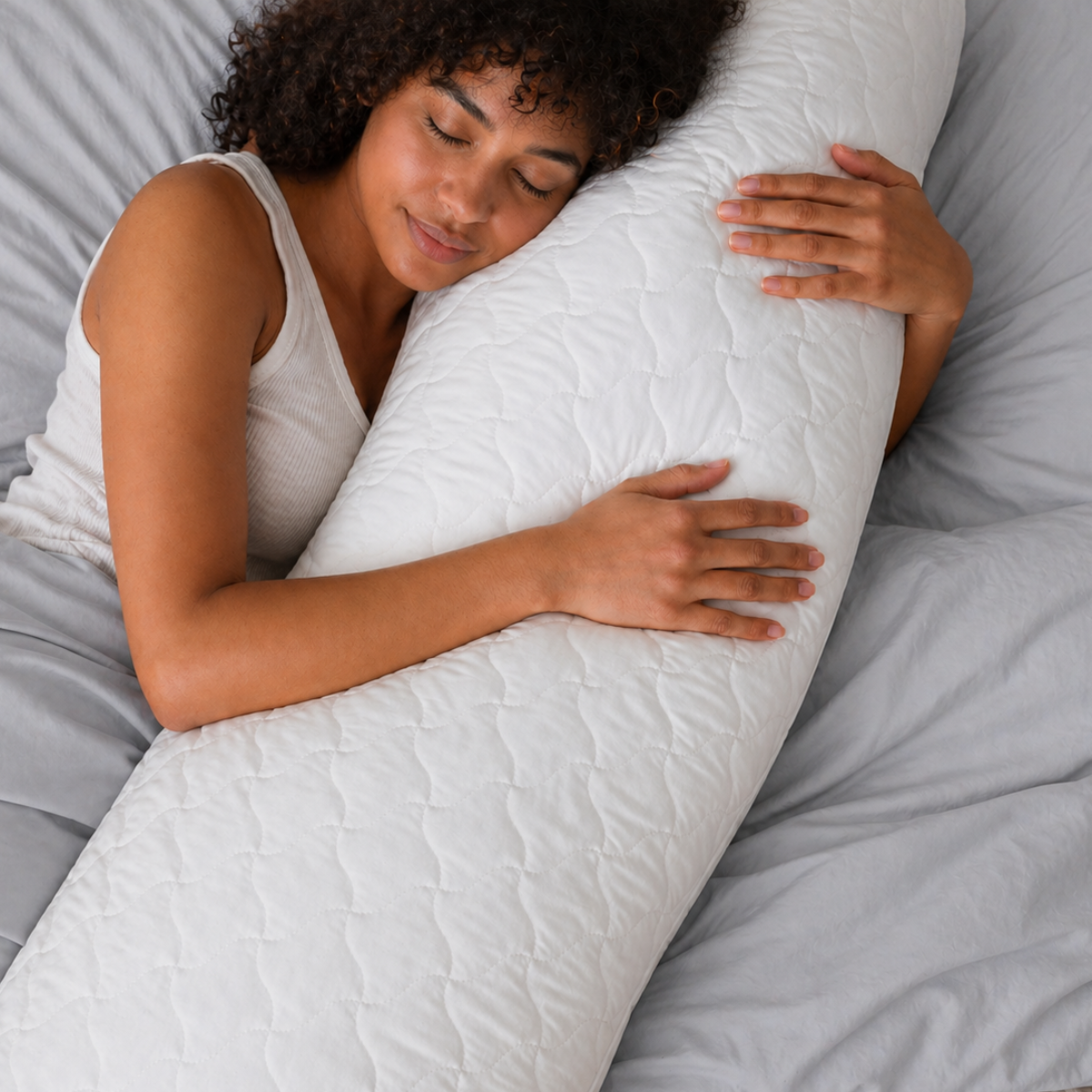
Pillows are one of the most common problem areas. Your head releases a significant amount of heat, and traditional dense memory foam pillows tend to trap it. Choosing more breathable options—such as shredded latex or gel-infused materials, can help improve airflow.

Another often overlooked upgrade is switching to a cooling pillowcase. Since it’s in direct contact with your skin, a breathable, silky-smooth pillowcase can help reduce heat buildup and improve overall comfort, especially for those who experience night sweats.
A Hot Sleeper's Buying Guide
Shopping for bedding can be confusing with all the marketing claims. Let's focus on what really matters when you're trying to stay cool.
Weave Wars: Percale vs. Sateen
The weave of cotton sheets makes a huge difference in how they feel. Percale uses a simple one-thread-over, one-thread-under pattern. This makes a light, crisp fabric that breathes extremely well and has no shine, plus it feels cool to touch.
Sateen uses a one-thread-under, three- or four-threads-over weave pattern. This shows more thread surface, making a silkier, smoother feel with a slight shine, but this denser weave lies closer to your body and traps more heat, making it worse for hot sleepers. The answer is clear: hot sleepers should almost always pick percale over sateen.
The Thread Count Myth
Marketing has told us for years that higher thread count means higher quality. For hot sleepers, this is not just false but actually bad for staying cool.
Thread count means the number of threads woven into one square inch of fabric. Very high thread count (800+) means the threads are packed very tightly, which really reduces airflow. For breathable percale sheets, the best range for softness and breathability is typically 200-400 thread count. Don't pay more money for a hotter sheet.
Cooling Bedding System Comparison
Use this chart to understand how each layer of your bedding system contributes to staying cool at night.

|
Layer
|
Role in Cooling
|
Feel
|
Cooling Effect
|
Best For
|
|
Cooling Sheets
|
Base layer (direct skin contact)
|
Smooth, breathable
|
Helps reduce sweat & surface heat
|
Everyday comfort & light cooling
|
|
Cooling Pillowcase
|
Head & neck cooling
|
Silky, cool-touch
|
Reduces heat buildup around the head
|
Night sweats & sensitive sleepers
|
|
Cooling Comforter
|
Core temperature control layer
|
Soft, cloud-like
|
Regulates heat & airflow throughout the night
|
Hot sleepers (most important layer)
|
|
Mattress Protector (Breathable)
|
Prevents heat trapping from below
|
Lightweight
|
Maintains airflow across the system
|
Essential for consistent cooling
|
|
Traditional Bedding
|
—
|
Varies
|
Often traps heat
|
Not ideal for hot sleepers
|
Beyond Bedding: More Tips
Your bedding is the main part of your cooling strategy, but a few lifestyle changes can give you even more relief and help you sleep well in the heat. A simple fan can make a huge difference by moving air around and helping sweat evaporate from your skin and bedding.
A lukewarm shower before bed can help lower your core body temperature, telling your body it's time to sleep. Drink plenty of water during the day, but stop drinking an hour or two before bed to avoid waking up for bathroom trips. Your pajamas are part of your sleep system too. Pick loose-fitting sleepwear made from breathable materials like cotton, bamboo, or linen.
Heavy meals and alcohol too close to bedtime can raise your body temperature and mess up your sleep. Try to finish eating at least 2-3 hours before you go to sleep.
Frequently Asked Questions
What’s the best material for hot sleepers?
There isn’t a single “best” material—it depends on how your whole bedding system works together. Breathable fabrics like linen, bamboo, and cotton percale are all good choices for sheets because they allow airflow and help manage moisture. But in real use, many hot sleepers find that upgrading the layer above—like switching to a lightweight cooling comforter—makes a bigger difference than changing sheets alone.
Does higher thread count mean better cooling?
Not really. In fact, higher thread count often makes sheets feel warmer because the fabric becomes denser and less breathable. For hot sleepers, a percale weave in the 200–400 range usually feels noticeably cooler and more comfortable for everyday use.
Can my mattress protector make me sleep hot?
Yes, and it’s one of the most common issues people overlook. Non-breathable protectors—especially waterproof ones made with plastic layers—can trap heat underneath you, even if everything else in your bed is designed to be cooling. Switching to a breathable option (like Tencel-based protectors) can immediately improve airflow and overall comfort.
Do I need to avoid comforters if I sleep hot?
Not necessarily—it’s more about choosing the right type. Heavy, traditional comforters tend to trap heat, but modern cooling comforters are designed to do the opposite. Lightweight construction, breathable fabrics, and moisture-wicking performance help regulate temperature instead of holding it in, which makes a big difference for hot sleepers.
What room temperature is best for hot sleepers?
Most experts recommend keeping your bedroom between 65–68°F (18–20°C). But even in a cooler room, your bedding still plays a major role. If your sheets, comforter, or mattress layers trap heat, you can still feel warm—so it’s really about combining the right environment with the right bedding system.

Hinterlasse einen Kommentar
Diese Website ist durch hCaptcha geschützt und es gelten die allgemeinen Geschäftsbedingungen und Datenschutzbestimmungen von hCaptcha.