



Scrolling through blankets on sale can feel like a win at first. You see soft textures, neutral tones, and attractive prices—and it’s tempting to just pick one and check out. But if you’ve ever bought a blanket that felt great for a week and then started shedding, losing shape, or feeling rough after washing, you already know the problem: not all blankets are built the same.
A good blanket isn’t just about how it looks in photos. It’s about how it performs in real life—night after night, wash after wash. The right one should feel consistently soft, hold its structure, and fit naturally into your daily routine, whether that’s lounging on the couch, layering your bed, or simply adding warmth to your space.
This guide breaks down what actually matters when shopping for blankets on sale, how to spot real quality, and how to choose a throw blanket you’ll genuinely use—not just store away.
Why Some Blankets Feel Great at First (But Don’t Last)
One of the biggest frustrations with discounted blankets is inconsistency. Many products are designed to feel soft at first touch but lack the structure and fiber quality to maintain that feeling over time. After a few washes, they may pill, flatten out, or start shedding fibers everywhere.
The difference usually comes down to how the blanket is made. Higher-quality blankets use denser fibers, better stitching, and more thoughtful construction. This allows them to keep their softness while also resisting wear and tear. That’s why when you’re browsing blankets on sale, the goal isn’t just to find the lowest price—it’s to find something that still performs like a premium product.
What Actually Makes a Blanket Comfortable
Comfort is more than just softness. A truly good blanket combines texture, weight, breathability, and durability into one cohesive experience.
First, there’s the feel. A high-quality throw blanket should feel smooth and plush without being overly slippery or artificial. Cozy Bliss blankets, for example, use premium microfiber blends that create a cloud-like softness that feels gentle against the skin while still having enough structure to hold shape.

Second, there’s performance. A blanket that sheds or builds static quickly becomes annoying to use. That’s why construction matters. Dense fibers and well-finished edges help prevent shedding, fading, and static buildup, making the blanket easier to live with day to day.
Finally, there’s weight. The best blankets strike a balance—they feel substantial enough to be cozy but not so heavy that they become restrictive. This is especially important for everyday throws that you’ll use across different seasons.
Understanding Different Blanket Types
Not every blanket is designed for the same purpose. Choosing the right type depends on how you plan to use it.
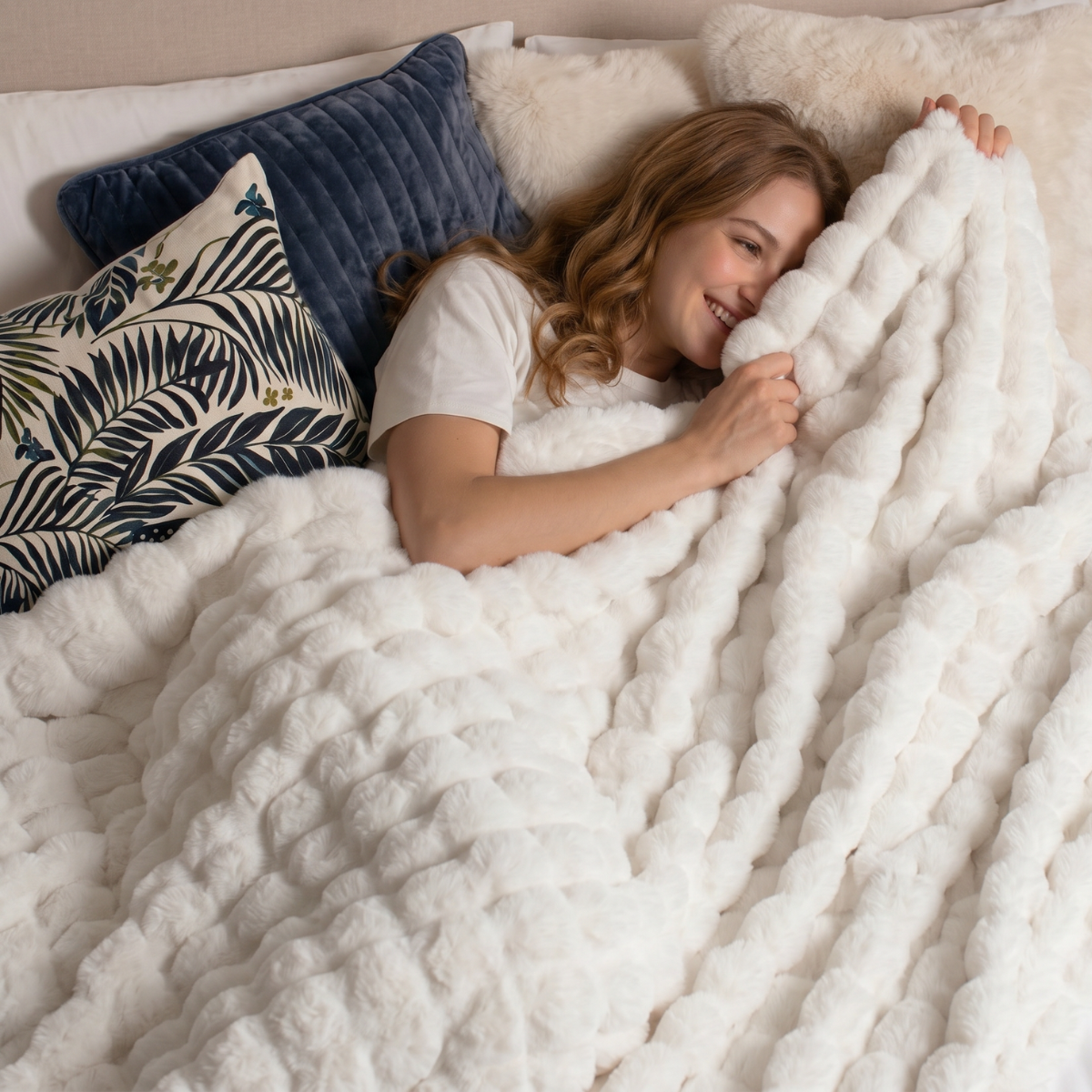
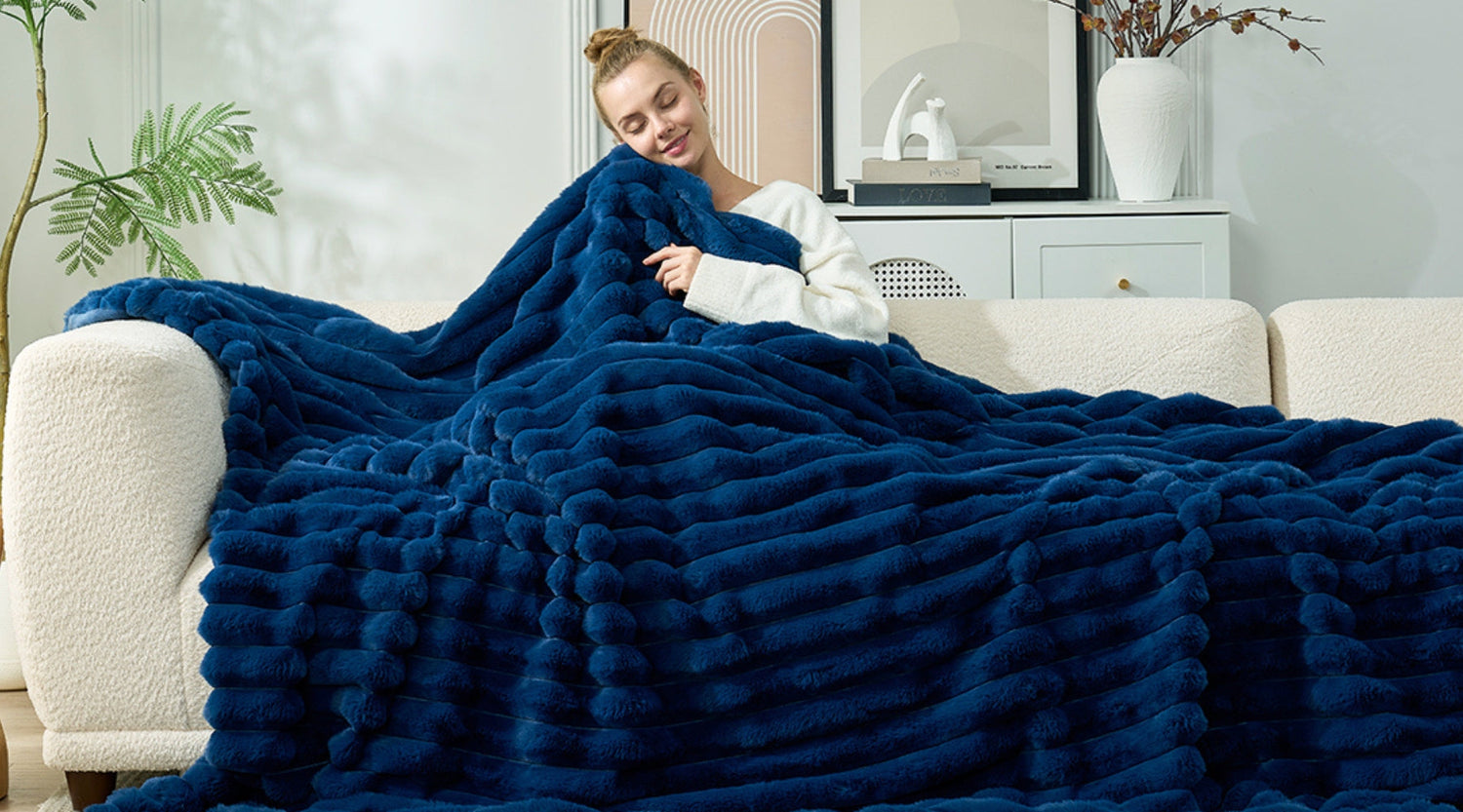
Faux fur blankets are one of the most popular options for both comfort and styling. They offer a plush, textured feel that instantly makes a space look more inviting. At the same time, they provide a warm, cozy layer for relaxing on the sofa. A well-made faux fur throw, delivers both visual impact and everyday comfort without the shedding issues often found in lower-quality versions.

Knit blankets, on the other hand, are more breathable and versatile. They sit right in the middle—not too heavy, not too light—which makes them ideal for year-round use. If you want something that works in both cool and slightly warmer environments, a knit throw is often the most practical choice.

Fleece blankets are designed for simplicity and convenience. They’re lightweight, easy to care for, and soft enough for daily use. This makes them a great option for households where blankets are used frequently and need to be washed often.
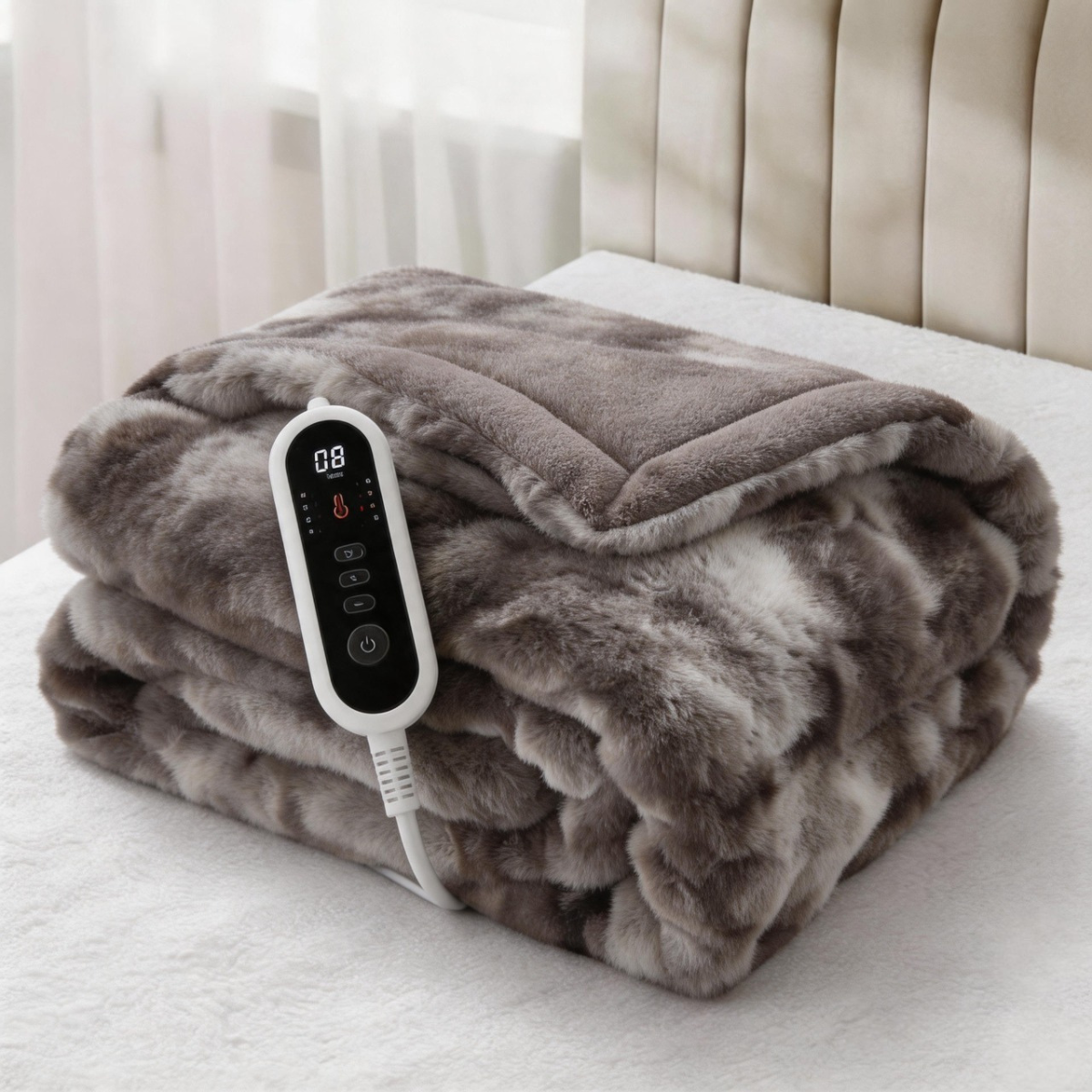
Then there are heated blankets, which add a functional layer of warmth during colder months, and printed blankets, which lean more toward decorative use while still offering comfort.
Why Material Quality Matters More Than You Think
It’s easy to assume that all soft blankets are the same, but material quality plays a major role in both comfort and safety.
High-quality blankets are often made with fabrics that have been tested for harmful substances. This matters more than most people realize, especially if the blanket is used directly on your skin every day. Cozy Bliss blankets are made with certified materials that meet strict safety standards, which means you’re not just getting comfort—you’re getting something you can use with confidence.

Better materials also tend to perform better over time. They resist fading, maintain their softness, and handle repeated washing without breaking down. This is what separates a blanket you use for years from one you replace after a season.
How to Choose the Right Blanket for Your Lifestyle
Instead of trying to compare every option, it helps to start with your actual use case.
If your goal is comfort—movie nights, relaxing evenings, or naps—you’ll want something plush and enveloping, like a faux fur or soft fleece blanket. These provide warmth and a cozy feel without requiring much thought.
If you’re looking for something more versatile, a knit blanket is often the best choice. It’s breathable, lightweight, and easy to use across different seasons.

If style is your priority, then texture and color matter most. A well-designed throw can elevate your entire living space, especially when layered with other fabrics.
And if you’re buying as a gift, choosing something that feels premium, soft, and easy to care for is always a safe and thoughtful option.
How to Shop Blankets on Sale Without Regret
Getting a good deal isn’t about spending less—it’s about getting more value.
When shopping blankets are on sale, look beyond the price and ask:
Will this still feel good after multiple washes
Will it shed or lose shape
Is it something I’ll actually use every day
Choosing a blanket that’s slightly higher in quality—even if it costs a bit more—usually pays off in the long run. It lasts longer, feels better, and becomes part of your daily routine instead of something you replace.
Keeping Your Blanket Soft Over Time
Even the best blanket needs proper care to maintain its quality over time. In real-world use, long-term softness isn’t just about how a blanket feels when you first buy it—it’s about how well the fibers hold up after repeated washing and daily use.
As one textile product tester explained, “Most blankets don’t lose softness because they’re poorly made—they lose it because heat and harsh detergents slowly break down the fiber structure.” This is especially true for plush and microfiber blankets, where softness depends on maintaining the integrity and loft of the fibers.
Washing in cold water on a gentle cycle helps protect those fibers and prevent premature wear. Using a mild detergent is equally important, since heavy or highly concentrated formulas can leave residue behind, making fabrics feel stiff over time. The biggest factor, however, is heat. High temperatures during drying can flatten fibers, reduce softness, and permanently affect the texture of the blanket.

To keep a blanket feeling soft and comfortable for as long as possible, it’s best to air dry or use the lowest heat setting available. Avoiding fabric softeners and bleach can also help preserve breathability and prevent buildup that affects how the material feels against your skin.
With consistent, proper care, a well-made blanket can maintain its softness and performance for years—not just weeks.
Final Thoughts
There are countless blankets on sale, but only a few truly deliver on comfort, durability, and everyday usability. The difference isn’t always obvious at first glance—but you’ll feel it over time.
A well-made blanket should become part of your routine. It should be the one you reach for without thinking, the one that still feels good months later, and the one that fits naturally into your space. That’s what makes the right choice worth it.
FAQ
What should I look for when buying blankets on sale
Focus on material quality, durability, and real usability. A good blanket should stay soft, resist shedding, and handle regular washing.
What type of blanket is best for everyday use
Fleece and knit blankets are the most practical. They are soft, breathable, and easy to maintain.
Do high-quality blankets shed
Well-made blankets are designed to minimize or eliminate shedding, especially those with dense fiber construction.
Soft blankets are always good quality
Not necessarily. Some blankets feel soft at first but lose that softness quickly. Long-term performance matters more.
How often should I wash a throw blanket
Every few weeks for regular use, depending on how often it’s used and your environment.


Hinterlasse einen Kommentar
Diese Website ist durch hCaptcha geschützt und es gelten die allgemeinen Geschäftsbedingungen und Datenschutzbestimmungen von hCaptcha.