

At first glance, a cooling Comforter and a regular Comforter might not seem all that different. They both keep you comfortable, help you relax, and make a bed feel more inviting. But once you actually sleep with both, the difference becomes surprisingly obvious — especially if you tend to sleep hot, wake up sweaty, or constantly kick the covers off during the night.
Traditional Comforters are usually designed with one main goal: warmth. Cooling Comforters, on the other hand, are designed around temperature balance. Instead of trapping excess heat, they help regulate airflow, release body heat more efficiently, and create a cooler, lighter sleep experience.
For many people, switching to cooling bedding is not about wanting to feel cold — it’s about finally sleeping comfortably through the night.
What Is a Cooling Comforter?
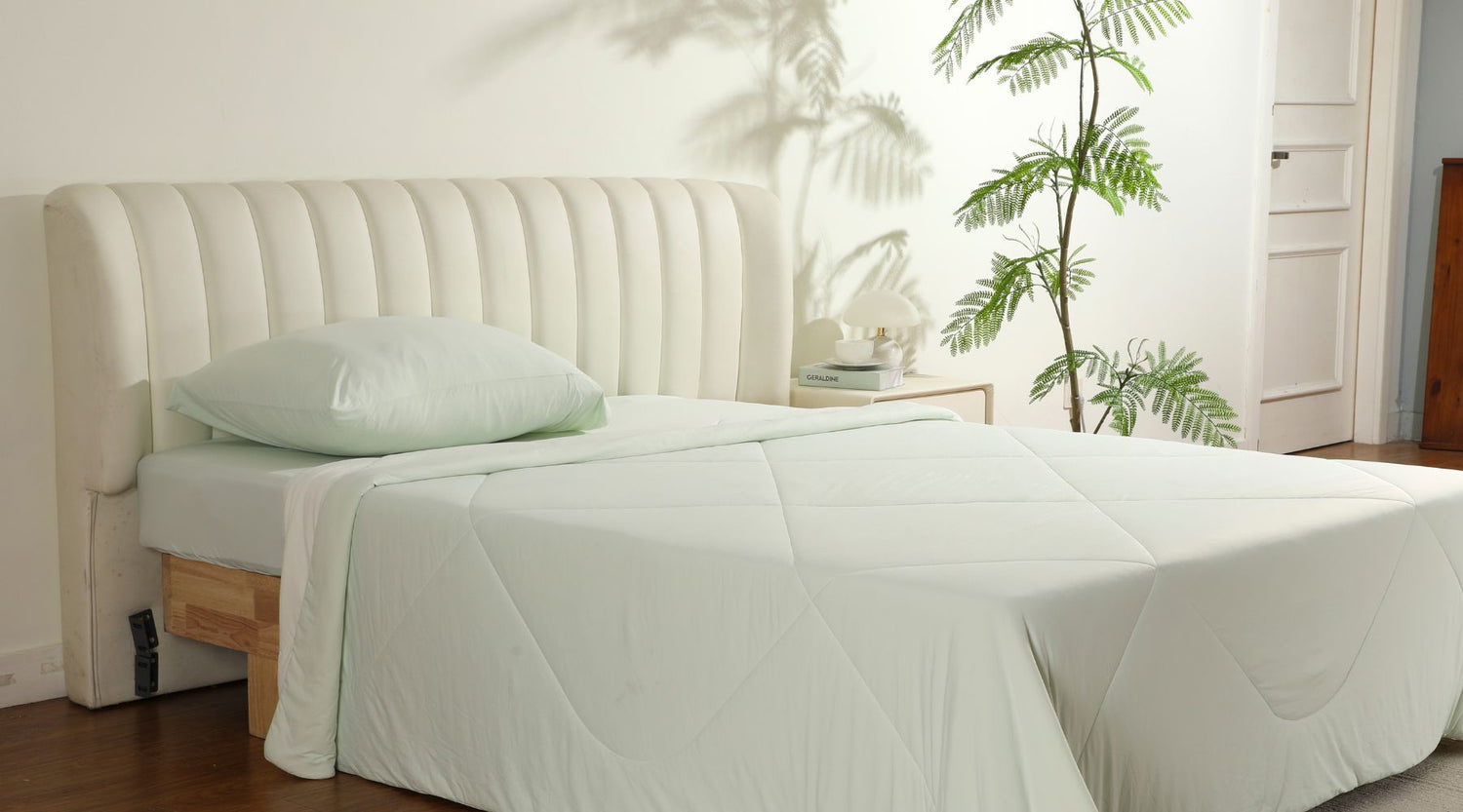
A cooling Comforter is designed to help regulate body temperature during sleep while still feeling soft, breathable, and comfortable. Unlike traditional heavy Comforters that tend to trap heat and moisture, cooling Comforters are made to improve airflow and reduce overheating throughout the night.
Most cooling Comforters focus on creating a lighter, fresher sleep experience through features like breathability, moisture-wicking performance, and cool-to-the-touch fabric technology. Instead of feeling thick or stuffy, they’re designed to feel airy and easier to sleep under — especially for hot sleepers or warmer climates.
Many modern cooling Comforters also use advanced materials and temperature-regulating technologies, including nylon/spandex cooling fabric, TENCEL™ lyocell, Sorona® plant-based filling, and NASA-inspired Outlast® technology.
Each material creates a slightly different feel, but the overall goal is the same: helping your bed stay cooler, drier, and more comfortable throughout the night.
Rather than making you feel “cold,” a good cooling Comforter simply helps your body maintain a more balanced sleep temperature.
Cooling Comforter vs Regular Comforter: The Biggest Differences
Temperature Regulation
The biggest difference is how each Comforter handles body heat.
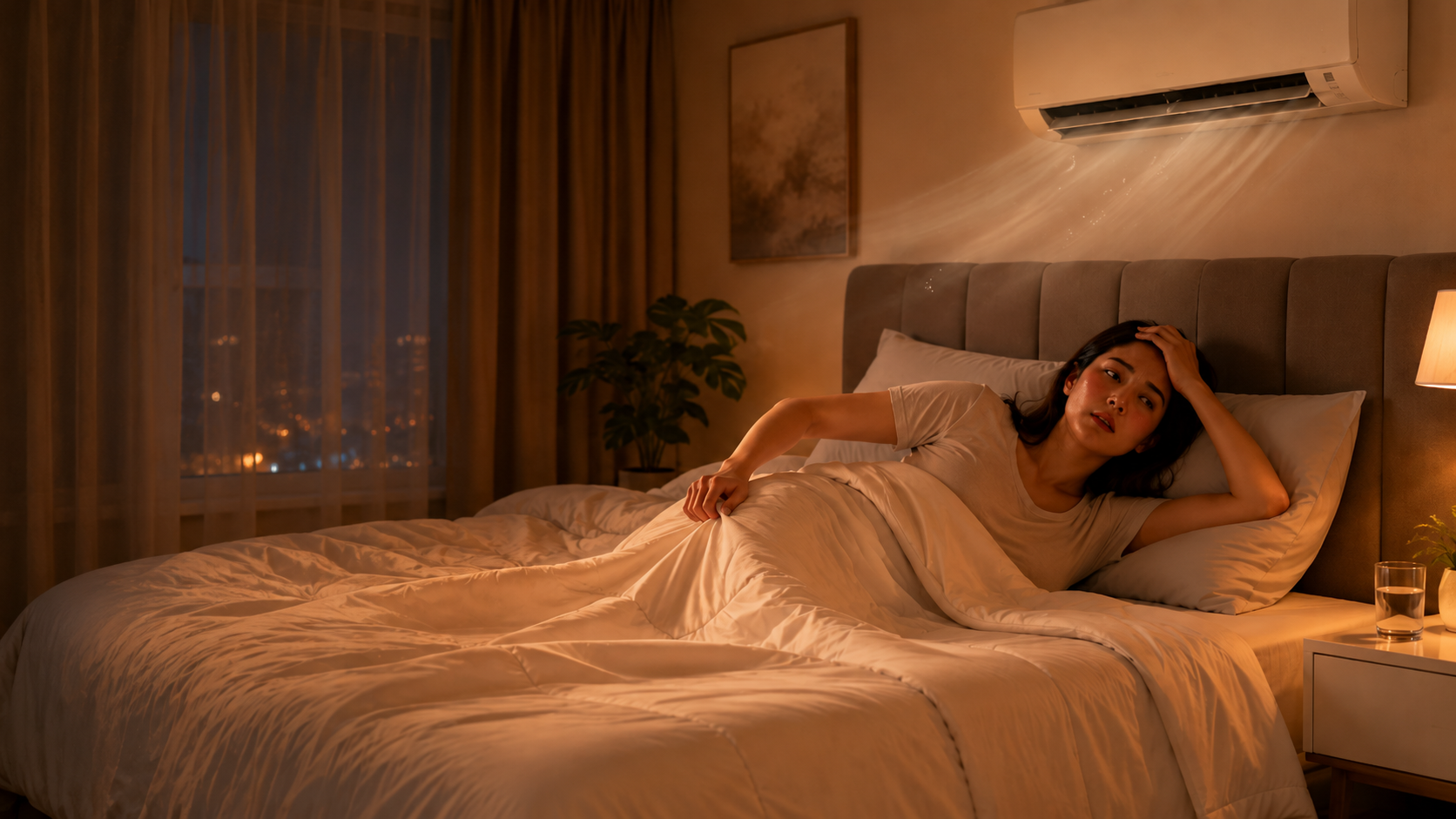
A regular Comforter is designed to retain warmth. This works well in colder weather, but for hot sleepers, it can quickly become uncomfortable. Heat and moisture get trapped under the Comforter, causing overheating and disrupted sleep.
Cooling Comforters work differently. Instead of trapping heat, they help disperse it. Many cooling fabrics pull heat away from the body while allowing airflow to continue moving naturally through the bedding.
That means:
- Less sweating
- Less tossing and turning
- More consistent sleep temperature
For people who wake up feeling too hot in the middle of the night, this difference can feel immediate.
Weight and Breathability
Traditional Comforters often rely on thickness to create warmth. While cozy at first, heavy bedding can sometimes feel overly bulky or suffocating — especially during warmer seasons.
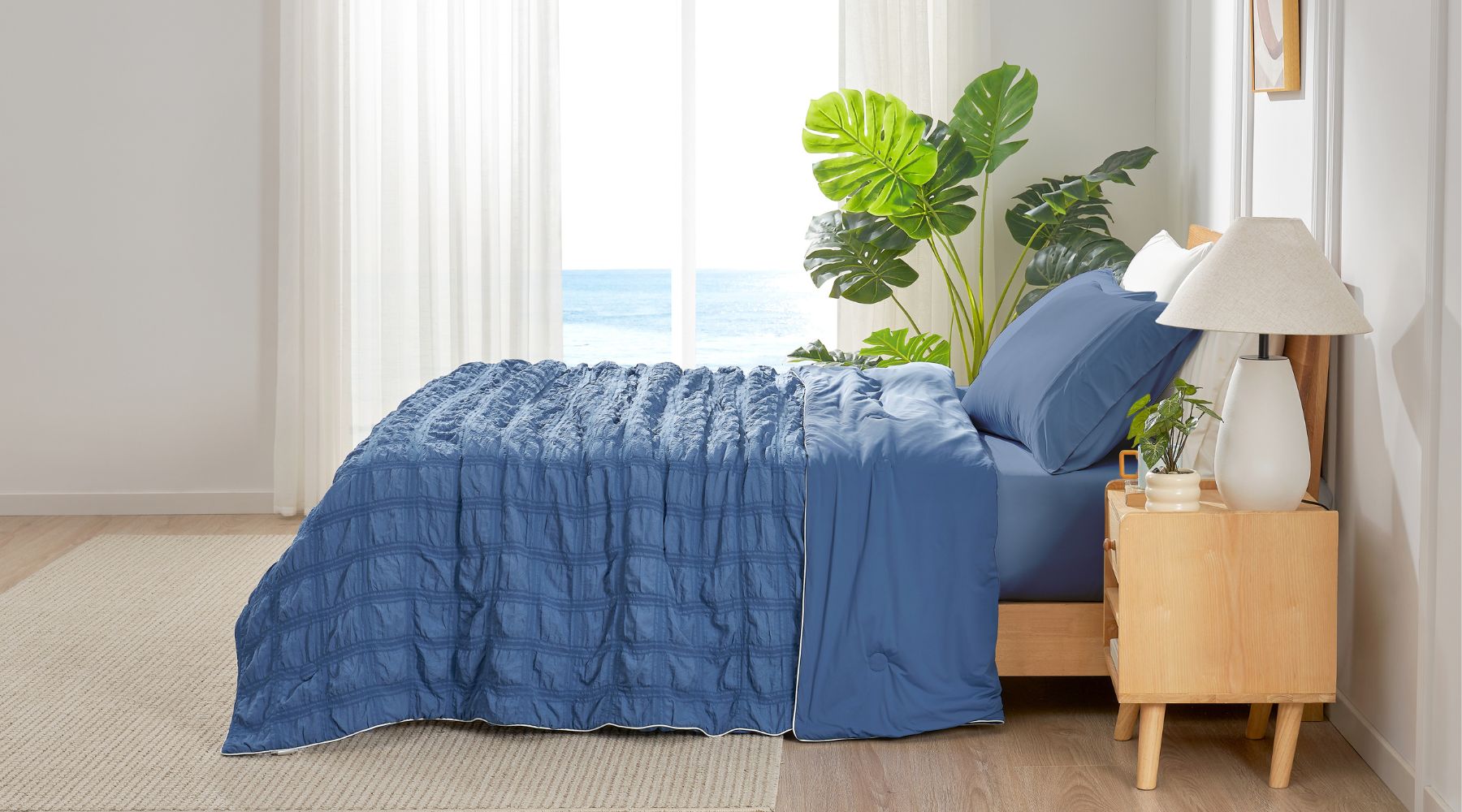
Cooling Comforters are usually lighter and more breathable.
For example:
- Lightweight cooling Comforters feel airy and flexible
- Cooling comforters offer fluffy comfort without overheating
- Knit cooling Comforters allow airflow while still feeling cozy
This balance is what many sleepers actually prefer: comfort without heaviness.
Moisture and Sweat Control
One thing people often overlook is how much moisture affects sleep quality.
Regular Comforters can absorb sweat and hold heat close to the body overnight. This creates a damp, sticky feeling that interrupts deep sleep.
Cooling Comforters are typically designed with moisture-wicking fabrics that dry quickly and feel fresher throughout the night.
This is especially helpful for:
- Hot sleepers
- Warm climates
- Summer months
- Night sweats
- Menopause
- People who naturally sleep warm
A bed that stays dry usually feels significantly more comfortable by morning.
Are Cooling Comforters Actually Cold?
Not exactly.
One of the biggest misconceptions about cooling Comforters is that they are supposed to feel icy or freezing all night long. In reality, good cooling bedding is designed for temperature balance — not extreme coldness.
A quality cooling Comforter simply helps prevent overheating while still feeling soft, breathable, and comfortable. Instead of trapping heat like traditional heavy Comforters, cooling fabrics create a sleeping environment that feels fresher, lighter, and much less stuffy throughout the night.
Some high-Q-Max cooling fabrics can also deliver an instant cool-to-the-touch sensation when you first lie down, which many hot sleepers find especially relaxing during summer or warmer nights.
But overall, the goal is not to make you feel cold — it’s to help you stay comfortable enough to sleep without constantly waking up overheated.
When a Regular Comforter Might Still Be Better
Cooling Comforters are great for hot sleepers, but traditional Comforters still have their place — especially during colder seasons or for people who naturally prefer extra warmth.

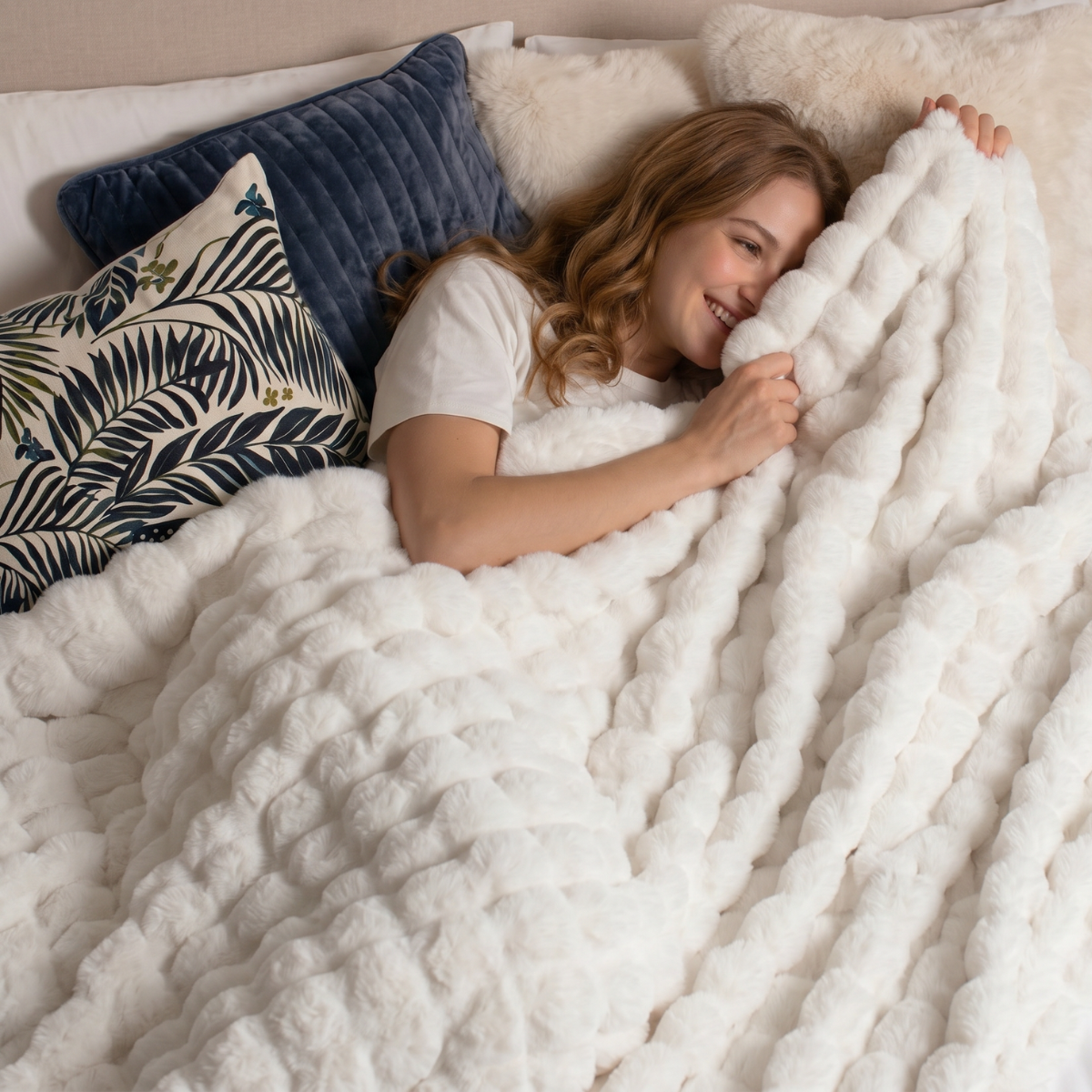
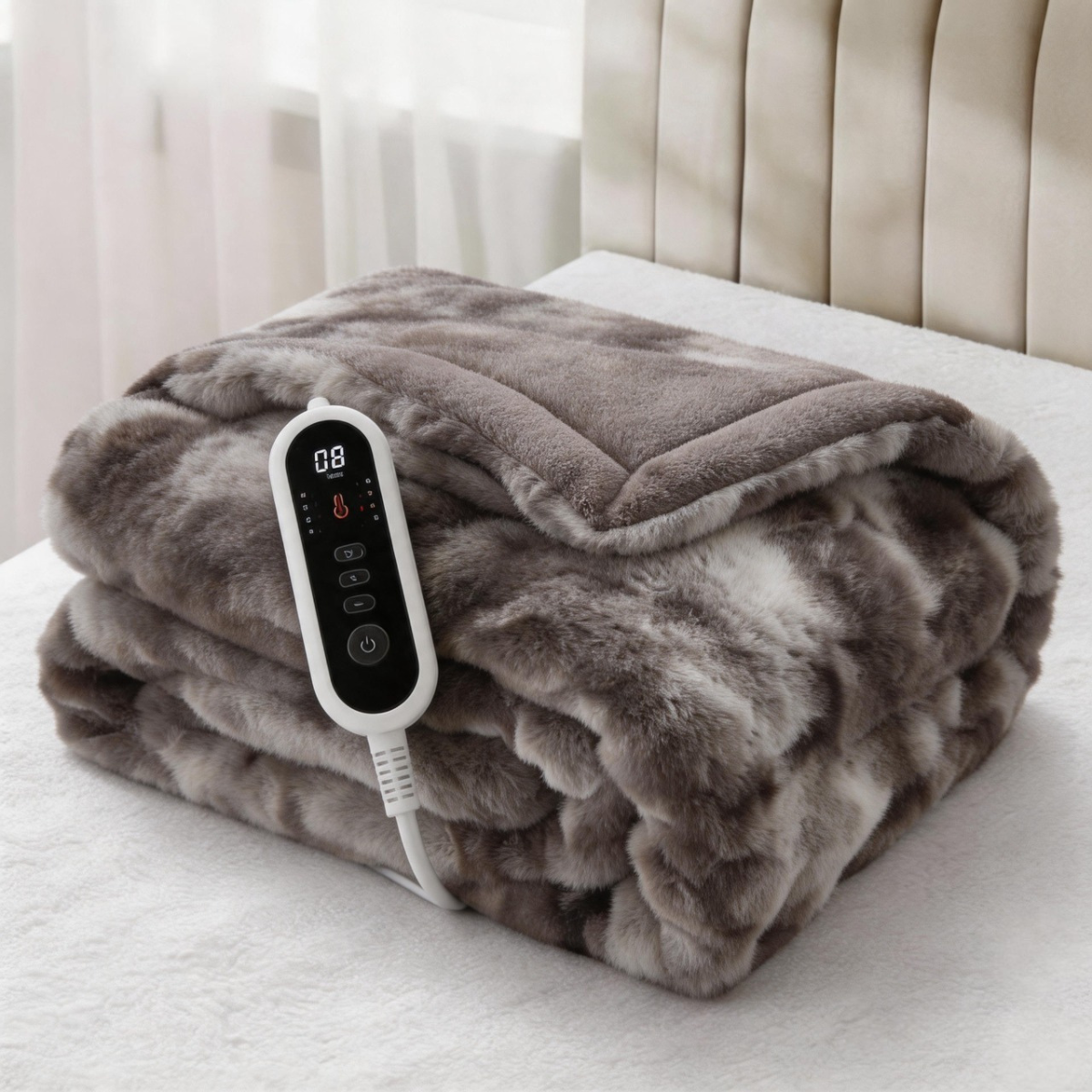
In very cold winters, heavier Comforters can create a stronger sense of insulation and comfort. Plush faux fur Comforters and thicker throws are especially popular for layering because they help trap heat and create that cozy, wrapped-up feeling many people love during colder nights.
Traditional Comforters can also work better in:
- Low-heating environments
- Freezing temperatures
- Homes that rely heavily on layered bedding
- Decorative bedroom styling with textured throws
That said, many households actually use both.
Cooling bedding is often preferred for everyday sleep because it feels lighter and more breathable, while traditional Comforters are brought out for winter comfort, extra warmth, or seasonal layering.
It really comes down to how you sleep, your climate, and the kind of comfort you personally enjoy most.
Which Cooling Comforter Is Best for Hot Sleepers?
The best cooling Comforter really depends on the kind of sleep experience you want. Some people prefer an instant cool-to-the-touch feeling, while others care more about breathability, softness, or long-lasting temperature regulation throughout the night.
If you tend to overheat easily, nylon/spandex cooling fabrics with high Q-Max performance are often the best choice. These fabrics are designed to pull heat away from the skin quickly, creating a noticeably cooler surface when you first lie down.

For people who want something softer and more breathable for everyday use, TENCEL™ lyocell cooling bedding is a popular option. It feels silky, lightweight, and moisture-wicking, making it especially comfortable during warmer months.
If you enjoy fluffy, cloud-like bedding but still sleep hot, Sorona® cooling comforters offer a nice balance between softness and airflow. They feel plush without becoming overly heavy or stuffy.
And for sleepers dealing with night sweats, menopause, or constantly changing body temperature, Outlast® technology can help regulate heat more actively by absorbing and releasing warmth throughout the night.
In the end, the best cooling Comforter is usually the one that keeps you comfortable enough to stop thinking about temperature altogether.
Why More People Are Switching to Cooling Bedding
Over the last few years, cooling bedding has become increasingly popular because people are starting to prioritize sleep quality differently.
It’s no longer just about making the bed look cozy. People want bedding that:
- Helps them sleep more deeply
- Feels breathable year-round
- Work in modern, warmer homes
- Handles night sweats better
- Feels soft without overheating
And once people experience sleeping without constantly waking up hot, it’s honestly difficult to go back.
Real Comfort Is About Balance
A comfortable bed is not always the warmest one. For many people, better sleep comes from finding the right balance — softness without heaviness, warmth without overheating, and comfort without feeling restricted during the night.
That’s why cooling Comforters have become more than just a seasonal trend. They solve a problem many sleepers quietly deal with every night: waking up too hot, kicking off the covers, then pulling them back on again hours later.
Many hot sleepers describe cooling bedding as feeling lighter, fresher, and easier to sleep under without losing that cozy feeling people still want from a Comforter.
As one customer shared:
“I finally stopped waking up in the middle of the night feeling overheated.”
Another described it simply:
“It still feels cozy — just more breathable and comfortable.”
And honestly, that balance is what good cooling bedding is really designed for.
FAQ
Is a cooling Comforter better than a regular Comforter?
For hot sleepers or warm climates, yes. Cooling Comforters help regulate temperature and reduce overheating, while regular Comforters are designed mainly for warmth.
Do cooling Comforters really work?
Yes. Cooling Comforters use breathable and moisture-wicking fabrics that help release heat and improve airflow during sleep.
Are cooling Comforters good for year-round use?
Many are. Lightweight cooling Comforters work especially well in spring and summer, while cooling comforters can also be comfortable in air-conditioned or mild winter environments.
What is the difference between a cooling comforter and a cooling Comforter?
Cooling Comforters are usually thinner and lighter, while cooling comforters provide a fluffier, more cloud-like sleep experience with additional breathable filling.
Are cooling Comforters safe for sensitive skin?
Most high-quality cooling bedding is OEKO-TEX® certified and made without harmful substances, making it suitable for sensitive skin.

Hinterlasse einen Kommentar
Diese Website ist durch hCaptcha geschützt und es gelten die allgemeinen Geschäftsbedingungen und Datenschutzbestimmungen von hCaptcha.