


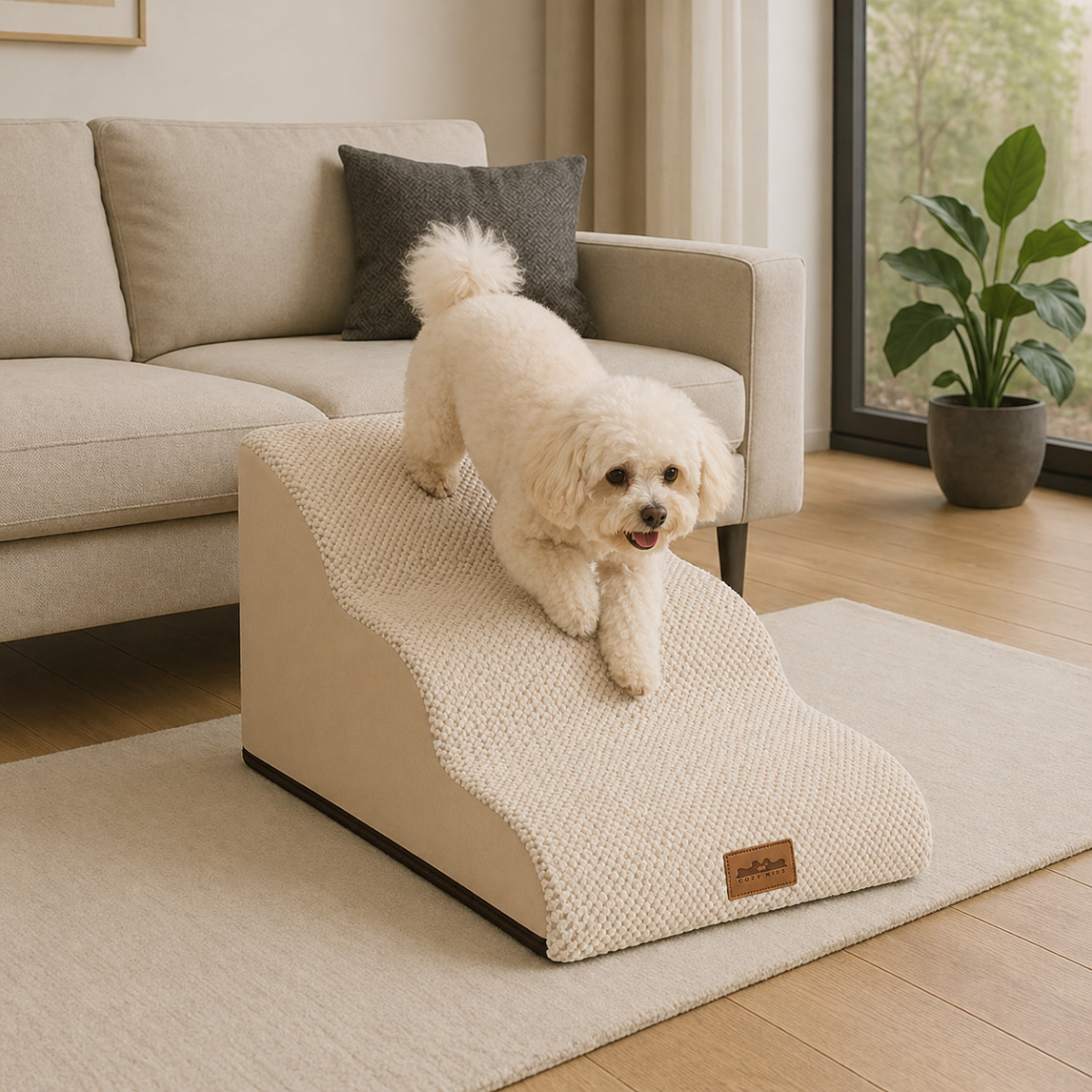
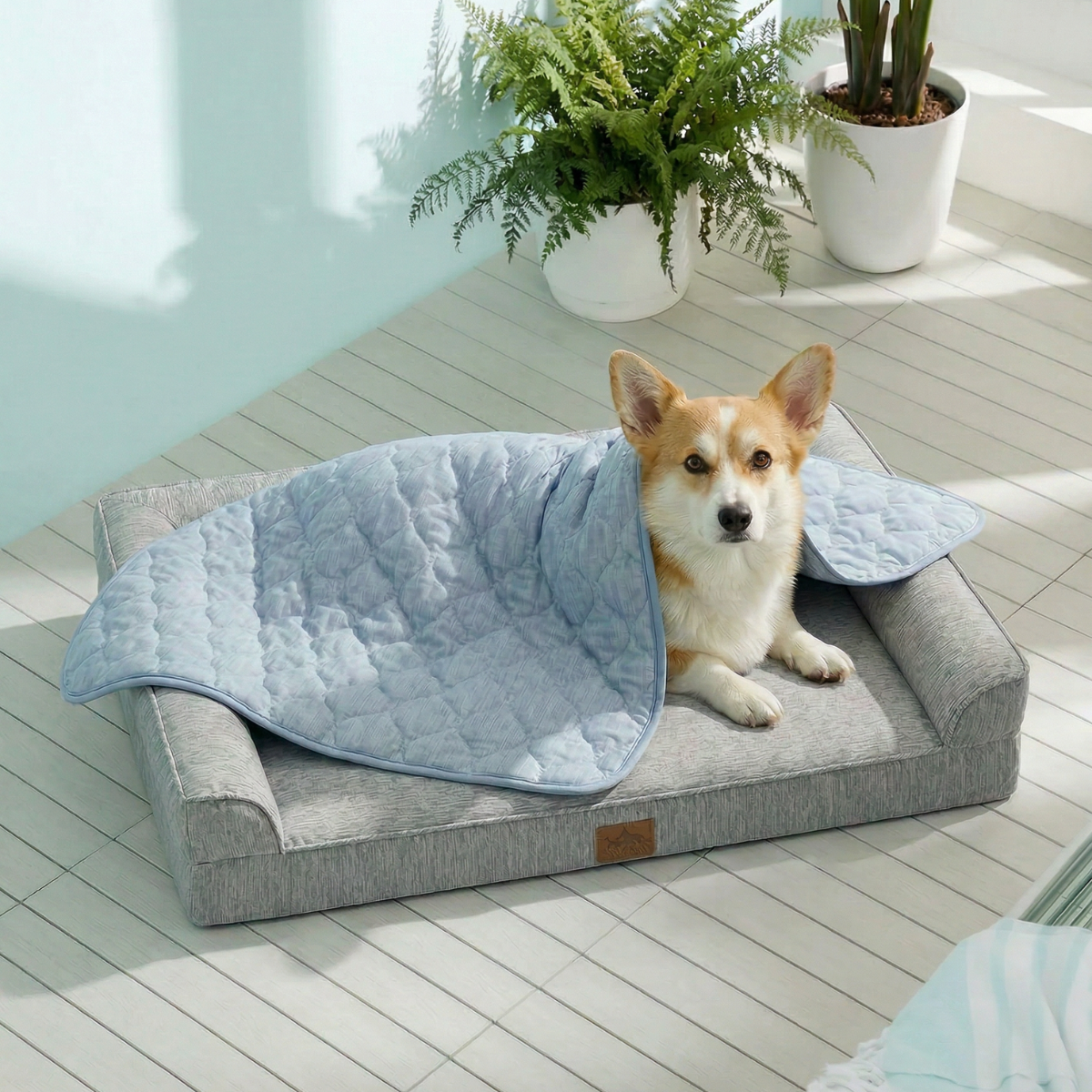
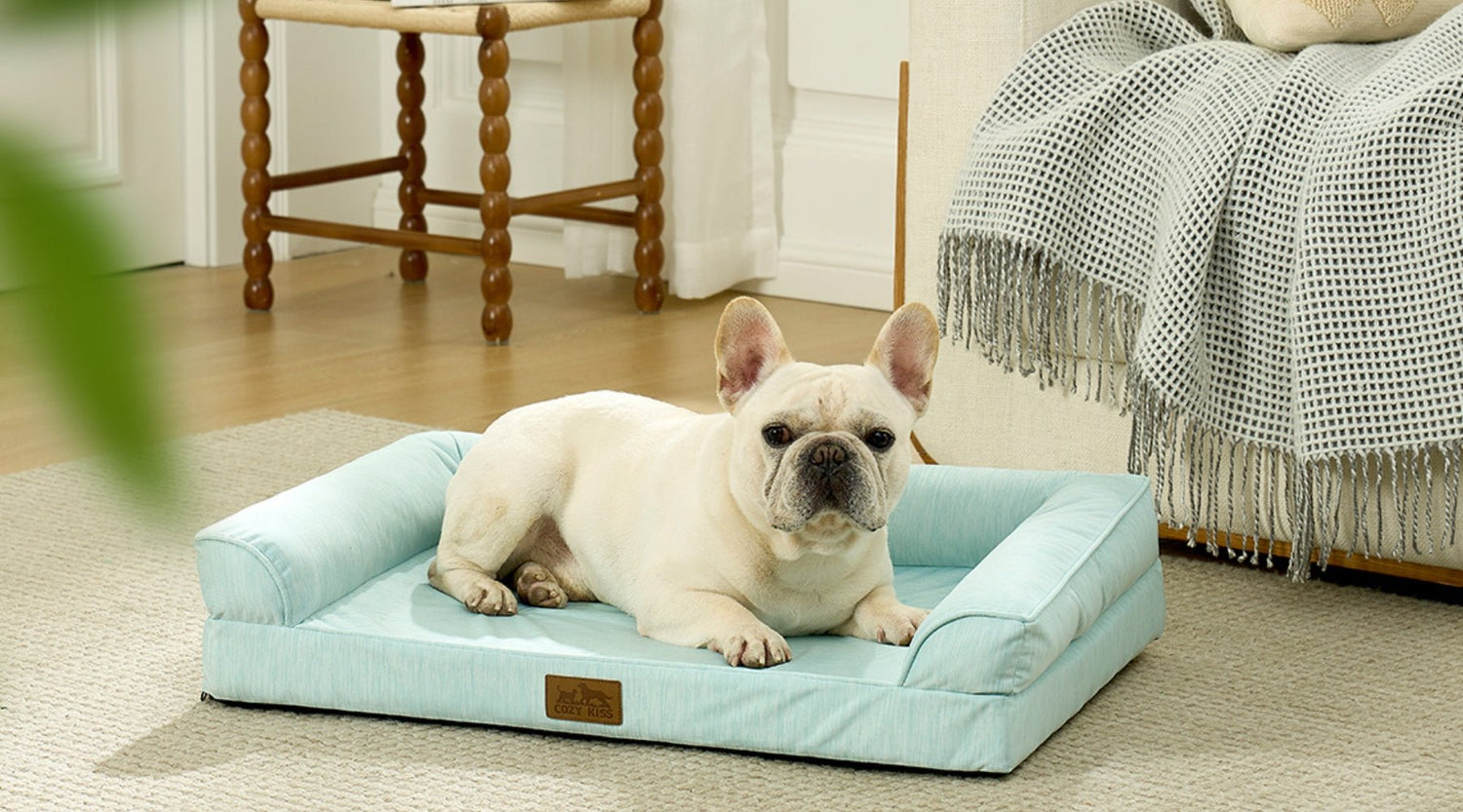
As dogs get older, their needs change—especially when it comes to rest. What used to be a quick nap on the floor or couch can turn into stiffness, joint discomfort, or difficulty getting up. That’s where choosing the right pet bed becomes more than just a comfort decision—it becomes part of their daily care.
If you’ve been searching for the best orthopedic dog beds, you’re already on the right track. But not all pet beds offer real support. Understanding what actually makes a difference can help you choose something your dog will truly benefit from—not just something that looks soft.
What Happens to Dogs as They Age
Senior dogs often experience joint wear, reduced mobility, and increased sensitivity to pressure. Conditions like arthritis or hip dysplasia become more common, even in dogs that were previously very active.
According to veterinary professionals, proper support during rest plays a key role in reducing daily discomfort. One canine rehabilitation specialist explains:
“Many owners don’t realize how much time dogs spend lying down. If the surface doesn’t support their joints properly, it can increase stiffness and slow recovery after movement.”
That’s why a regular pet bed isn’t always enough—especially for aging dogs.
What Makes an Orthopedic Dog Bed Different
Not every pet bed labeled “orthopedic” actually provides meaningful support. The real difference comes down to structure and materials.
Pressure-Relieving Foam
High-quality orthopedic dog beds typically use dense foam layers—often egg crate or multi-layer foam—to distribute weight evenly. This reduces pressure on joints like hips, elbows, and shoulders.

Unlike standard filling that flattens over time, supportive foam maintains its shape and provides consistent cushioning.
Raised Edges for Support
Many dogs naturally rest their heads or lean against something while sleeping. Beds with raised sides offer a sense of security while also supporting the neck and spine.
This small detail can make a big difference in how deeply a dog rests.
Stable, Non-Slip Base
Older dogs often struggle with balance when getting up. A bed that shifts easily can make things worse. A non-slip bottom helps keep the bed in place, reducing unnecessary strain.
Why Orthopedic Beds Are Ideal for Senior Dogs
Improved Joint Comfort
The biggest benefit is simple: less pressure on sensitive joints. Over time, this can reduce stiffness and make it easier for your dog to move after resting.
Better Sleep Quality
Dogs, like humans, need quality sleep to recover and maintain health. A supportive surface helps them settle more comfortably and stay asleep longer.
Easier Daily Movement
When a dog rests well, it shows in their movement. Many owners notice that after switching to a supportive pet bed, their dogs get up more easily and seem less hesitant to move.
Not All Pet Beds Perform the Same
One of the most common mistakes when shopping for a pet bed is focusing only on softness.
A bed can feel plush at first but still lack real support underneath. Over time, low-density filling compresses, leaving joints unsupported.
In contrast, well-designed orthopedic dog beds combine softness with structure. They feel comfortable on the surface while maintaining support underneath.

That balance is what makes the difference in long-term use.
Materials Matter More Than You Think
When choosing a pet bed, materials affect not only comfort but also durability and hygiene.
High-quality pet beds often include:
- Durable outer fabrics that resist scratching
- Soft faux fur or plush surfaces for comfort
- Waterproof liners to protect the inner foam
- Removable covers for easy cleaning

These details may seem small, but they directly impact how the bed performs in everyday life—especially in homes with active pets.
Some modern pet beds also use certified fabrics that are tested for safety, which is especially important for dogs with sensitive skin.
Choosing the Right Size and Shape
A good orthopedic bed should allow your dog to fully stretch out while also feeling supported.
Size Guidelines
- Small dogs: Compact beds with soft edges
- Medium dogs: Balanced space with support on all sides
- Large dogs: Spacious beds with thicker foam layers
If your dog likes to curl up, raised edges are helpful. If they prefer to stretch out, a flatter surface with strong base support may work better.
Real-Life Use: What Owners Notice
Many pet owners report similar changes after switching to orthopedic beds:
- Dogs settle down faster
- Less repositioning during sleep
- Easier movement after resting
- Increased time spent in their own bed

These aren’t dramatic overnight changes, but consistent improvements that show up in daily behavior.
How to Make the Most of a Pet Bed
Even the best bed works better with the right setup.
Placement Matters
Put the bed in a quiet, familiar area where your dog already feels comfortable.
Keep It Clean
Regular washing helps maintain hygiene and prevents buildup of fur and odor.
Give It Time
Some dogs need a few days to adjust to a new sleeping surface, especially older ones.
A Thoughtful Upgrade for Everyday Comfort
Choosing one of the best orthopedic dog beds isn’t about luxury—it’s about support where it matters most.
For senior dogs, rest isn’t just downtime. It’s recovery. It’s comfort. And it’s a big part of their quality of life.
A well-made pet bed becomes more than just a place to sleep—it becomes part of their daily routine and well-being.
FAQ
What is the best orthopedic dog bed made of
High-density foam or multi-layer foam provides the best support. Look for materials that maintain shape and distribute weight evenly.
Do orthopedic dog beds really help senior dogs
Yes. They reduce joint pressure, improve comfort, and can help dogs move more easily after resting.
How thick should an orthopedic dog bed be
For most dogs, at least 3–5 inches of supportive foam is recommended, depending on size and weight.
Are raised edges necessary
Not required, but helpful. They provide neck support and a sense of security, especially for dogs that like to curl up.
How often should I wash a pet bed
Ideally, every 1–2 weeks for covers, depending on use. Removable and machine-washable covers make this much easier.

Dejar un comentario
Este sitio está protegido por hCaptcha y se aplican la Política de privacidad de hCaptcha y los Términos del servicio.