



Most people choose bedding by season: a lighter comforter for summer, a thicker one for winter, and maybe a different sheet set when the weather changes. But sleep comfort is not only about the calendar. It is also about how your body feels at night.
Some people sleep hot all year. Some feel cold even in a warm room. Some are comfortable in one season and restless in another. Others fall asleep feeling warm, then wake up cold before morning.
That is why it helps to understand your sleep temperature type.
Instead of asking only “What is the best bedding for summer?” or “What comforter is warmest for winter?”, a better question is: what kind of temperature comfort does your body need through the night and across the year?
Once you know that, it becomes easier to choose the right sheets, comforters, pillowcases, blankets, and support pillows.
Why Sleep Temperature Matters

Your body temperature naturally changes as you sleep. As bedtime approaches, the body begins to cool down, which helps signal that it is time to rest. Later in the night, especially towards early morning, your temperature may shift again.
This is why bedding can feel perfect when you first get into bed, but too warm or too cool a few hours later.
Research has also shown that the thermal environment can affect sleep because temperature regulation and sleep are closely connected. You can read more about this in this NIH-published review on the effects of thermal environment on sleep and circadian rhythm.
A good bedding setup should support this natural rhythm. It should help release excess heat when you are warm, manage moisture if you sweat, and still provide enough comfort when the room feels cooler. Bedding should not be treated like a medical solution, but it can make a meaningful difference in how comfortable your sleep environment feels.
The goal is not simply to sleep cold or sleep warm. The goal is to build a bed that feels balanced.
The Four Common Sleep Temperature Types
Most sleepers fall into one of four general temperature types. You may not fit one perfectly, but identifying your closest match can help you choose bedding more confidently.
1. The Hot Sleeper
Hot sleepers often wake up warm, kick off the covers, or prefer a cooler bedroom. They may avoid thick comforters even outside of summer because the bed easily feels heavy or stuffy.
For hot sleepers, the priority is breathability. Look for cooling sheets, cooling pillowcases, lightweight blankets, and cooling comforters that help reduce heat buildup. Materials that feel cool to the touch, wick moisture, or regulate temperature can make the bed feel fresher through the night.
If you sleep hot, start with the layers closest to your body. A breathable fitted sheet and smooth cooling pillowcase can make a noticeable difference before you even change your comforter.
2. The Cold Sleeper
Cold sleepers often want more coverage, even when the room is not especially cold. They may wear socks to bed, layer blankets, or feel uncomfortable with bedding that is too light.
For cold sleepers, softness and insulation matter more than instant cooling. An all-season comforter can be a practical choice because it offers steady coverage without needing a very heavy winter-only setup. A soft pillowcase, supportive reading pillow, and cozy top layer can also help make the bed feel more inviting.
The key is warmth without too much weight. A comforter with soft loft can feel warmer and more comfortable than stacking several thin layers that shift around during the night.
3. The Seasonal Switcher
Seasonal switchers sleep differently depending on the weather. They may sleep hot in summer, want more warmth in winter, and change their bedding several times a year.
For this type, flexible layering works best. Instead of rebuilding the entire bed each season, keep a breathable base layer and adjust the top layers. In summer, use cooling sheets, cooling pillowcases, and a lightweight blanket or cooling comforter. In cooler months, switch to an all-season comforter or add a warmer top layer.
This approach keeps the bed familiar while allowing enough adjustment for changing weather.
4. The Variable Sleeper
Variable sleepers experience both heat and chill, sometimes in the same night. They may fall asleep feeling warm, wake up sweaty, and then feel cold later when moisture cools against the skin.
For variable sleepers, moisture management is just as important as warmth. If bedding traps sweat or humidity, the bed can feel damp and uncomfortable by morning. A temperature-regulating comforter, breathable sheets, and moisture-friendly pillowcases can help create a more stable sleep surface.
Outlast® temperature-regulating technology can be especially useful for this type of sleeper because it is designed to absorb, store, and release heat as body temperature changes. Instead of only offering a cool first touch, it helps support a more balanced sleep environment through the night.
How to Build a Better Bedding Setup

The best bedding setup is layered, not random. Each layer has a job.
The sheet layer sits closest to your body. This is where breathability, softness, and moisture control matter most. If your current bed feels hot or sticky, upgrading sheets and pillowcases is often the easiest first step.
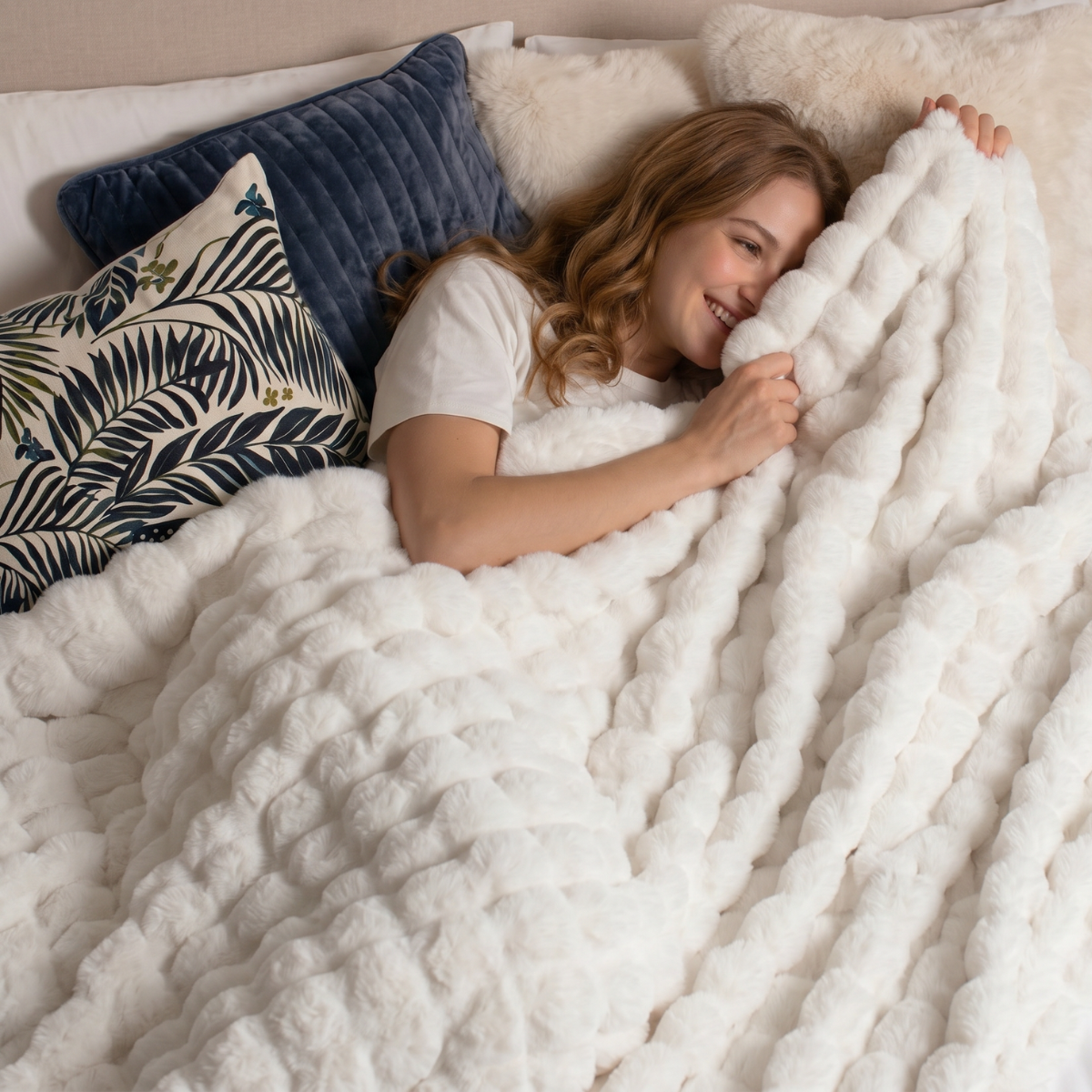
The comforter layer gives the bed softness, coverage, and warmth. Hot sleepers may prefer a cooling comforter, while cold sleepers may need an all-season comforter with more loft. Seasonal switchers can rotate comforters or blankets depending on the weather.
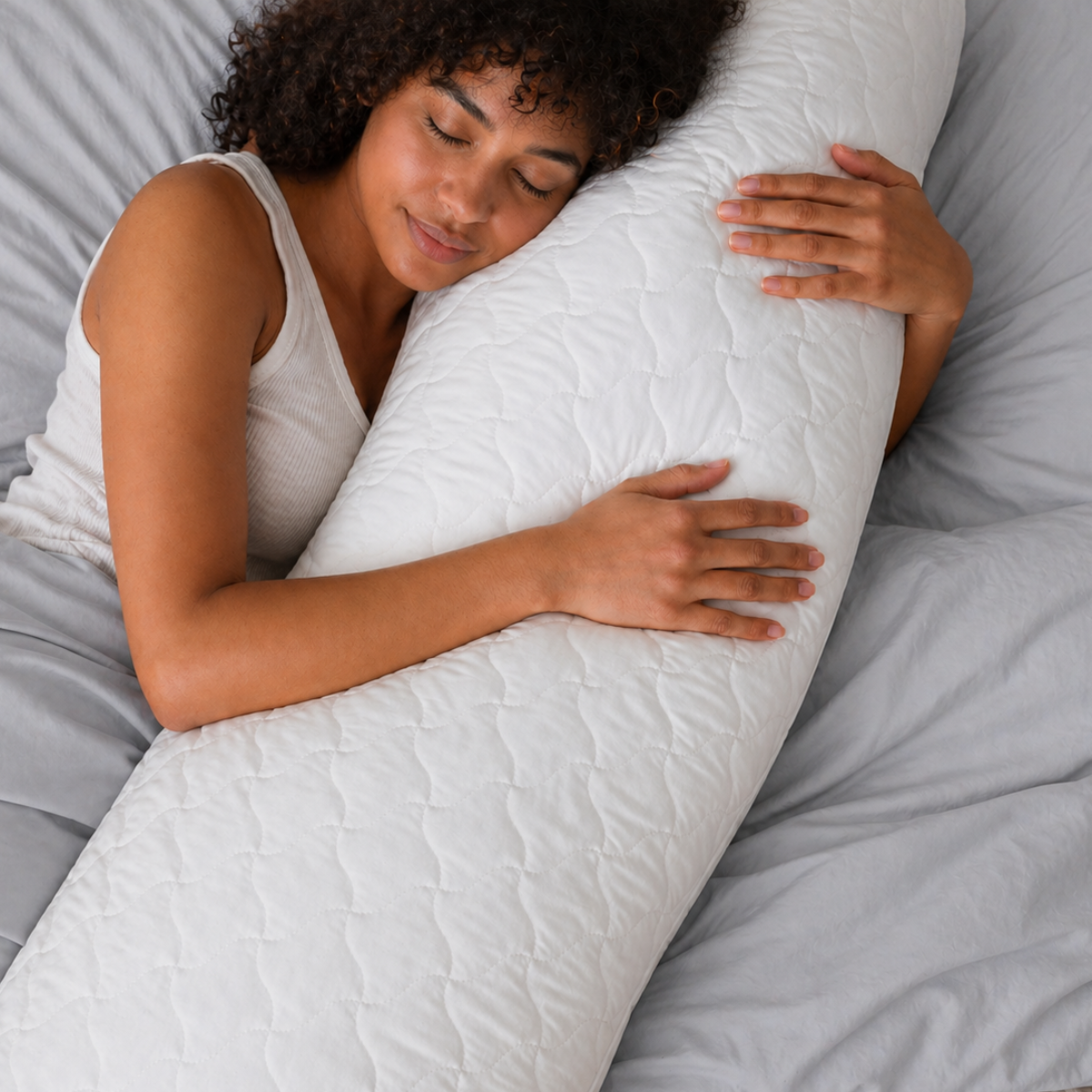
The support layer includes body pillows, reading pillows, and other comfort pieces that make the bed more useful. These not only affect sleep temperature, but they also affect how comfortable your bedroom feels for reading, lounging, side sleeping, or relaxing before bed.
A good bed is not just cool or warm. It is breathable, supportive, and easy to adjust.
Choosing Bedding by Season

Seasonal bedding does not have to mean replacing everything.
In warm weather, focus on airflow. Use cooling sheets, breathable pillowcases, and a cooling comforter or lightweight blanket. Avoid stacking heavy layers, even if each one feels soft on its own. Too many layers can trap heat and make the bed feel warmer than expected.
In mild weather, choose balance. A breathable sheet set, smooth pillowcases, and an all-season comforter can often provide enough comfort without feeling too warm or too light.
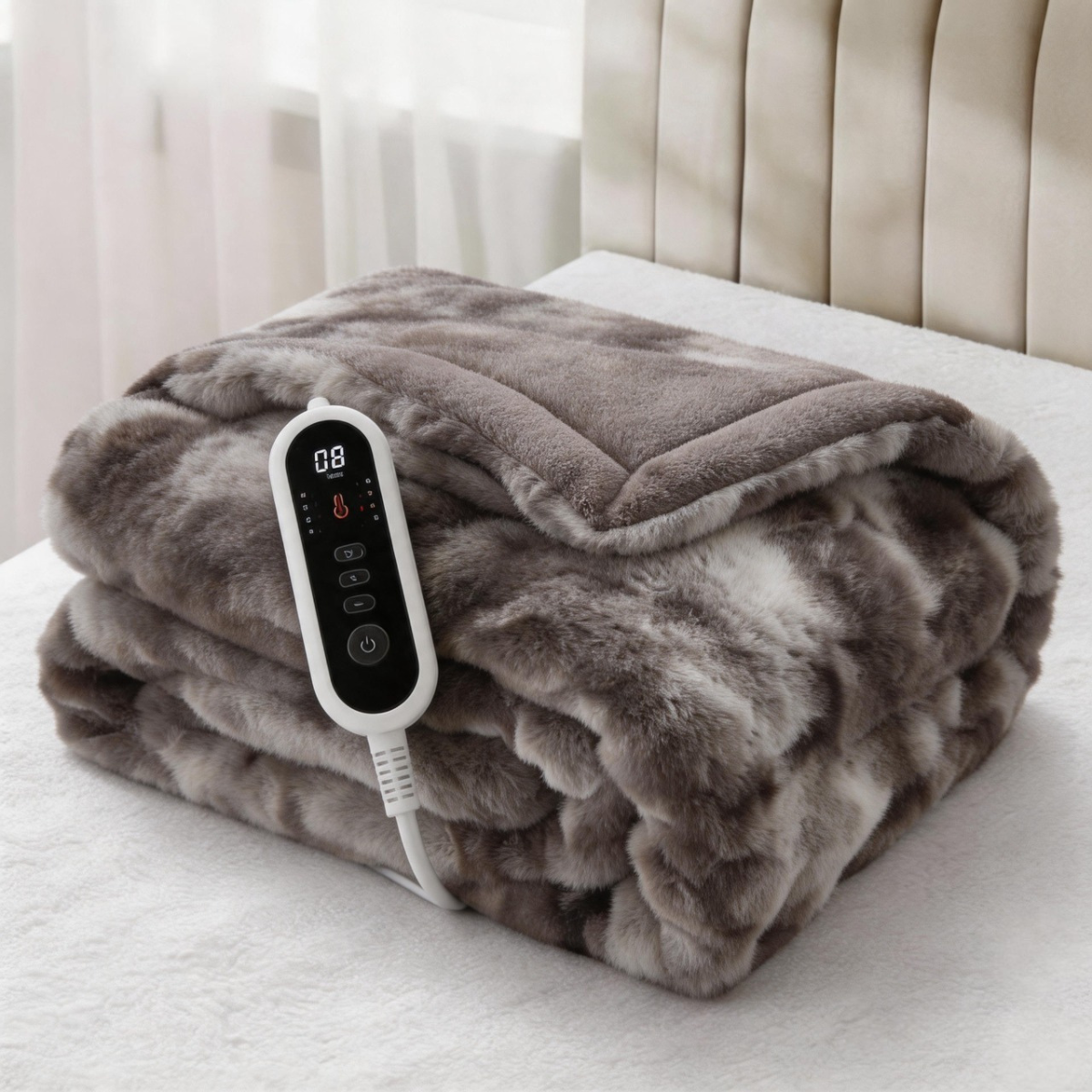
In cooler weather, add warmth carefully. Instead of piling on several thin blankets, choose a comforter with appropriate loft and coverage. If you still need more warmth, add one flexible layer at the foot of the bed rather than creating a heavy stack.
The goal is to make your bed adjustable, not complicated.
What Bedding Materials Should You Look For?
Different materials solve different sleep problems.
TENCEL™ lyocell is smooth, breathable, and moisture-wicking, making it a strong choice for sheets and pillowcases that stay close to the skin. It is useful for people who want a fresher surface without a rough or crisp feel.
Nylon-spandex cooling fabric feels smooth, stretchy, and cool to the touch. It works well for cooling bedding that needs flexibility and a soft, modern feel.
Sorona® plant-based fill creates a soft, cloud-like loft for comforters. It is a good option for people who want a fluffy comforter feel without the dense heaviness of some traditional fills.
Outlast® technology uses phase change material, also known as PCM, to help manage temperature changes by absorbing, storing, and releasing heat. It is especially helpful for warm sleepers, night sweats, and people who do not stay the same temperature all night.
Technology also has a space technology background. NASA Spinoff has written about how phase change fabrics control temperature, including materials that absorb or release heat as conditions change.
Q-Max is another useful term to know. It measures how cool a fabric feels when it first touches the skin. A higher Q-Max value means a stronger cool-to-the-touch sensation. Q-Max is helpful for choosing cooling sheets, pillowcases, comforters, and blankets, but it works best when paired with breathability and moisture control.
Matching Bedding to Your Sleep Temperature Type
If you are a hot sleeper, start with cooling sheets and pillowcases, then choose a cooling comforter or lightweight blanket. Look for breathable fabrics, moisture-wicking materials, and cooling performance.
If you are a cold sleeper, choose an all-season comforter with soft loft and enough coverage. Keep close-to-skin layers smooth and breathable, but avoid building a bed that feels too thin.
If you are a seasonal switcher, keep your sheets and pillowcases consistent, then rotate the top layer. Use lighter cooling bedding in summer and a fuller all-season comforter in cooler months.
If you are a variable sleeper, prioritize temperature regulation and moisture control. A temperature-regulating comforter, breathable sheets, and smooth pillowcases can help reduce the uncomfortable cycle of feeling hot, damp, then cold.
Do Room Temperature and Humidity Matter?
Yes. Bedding does not work alone. Room temperature, humidity, airflow, sleepwear, and mattress type all affect how warm or cool you feel.
In humid rooms, moisture-wicking bedding becomes more important because sweat does not evaporate as easily. In dry rooms, surface texture and softness may matter more. If your bedroom gets warm during the day, breathable bedding can help, but shade, airflow, and air conditioning may still be needed.
For the best result, think of bedding as one part of your sleeping environment. The right materials can help, but they work best when the room itself is also comfortable.
Final Thoughts
The best bedding is not the same for everyone. A hot sleeper, a cold sleeper, a seasonal switcher, and a variable sleeper all need different things from the same bed.
Instead of choosing bedding only by season, choose it by your sleep temperature type. Start with the layer that affects you most. If you wake up hot, upgrade sheets and pillowcases. If your comforter feels heavy, choose a more breathable one. If your temperature changes through the night, consider temperature-regulating bedding. If you read or lounge in bed often, add support that makes the space more comfortable beyond sleep.
A better bed should feel easy to return to: cool when you need freshness, soft when you need comfort, and balanced enough to support rest through every season.
FAQ
What bedding is best for hot sleepers year-round? Hot sleepers usually benefit from cooling sheets, breathable pillowcases, and a cooling comforter or lightweight blanket. Moisture-wicking, cool-to-the-touch, and temperature-regulating materials can help reduce heat buildup through the night.
What is a sleep temperature type? A sleep temperature type describes how your body tends to feel at night. Common types include hot sleepers, cold sleepers, seasonal switchers, and variable sleepers who experience both overheating and chill during the same night.
Can I use the same bedding in summer and winter? Yes, if you build your bed in layers. Keep breathable sheets and pillowcases as a consistent base, then adjust the comforter or blanket layer by season.
What bedding is best for night sweats? For night sweats, choose breathable, moisture-wicking, or temperature-regulating bedding. Outlast® technology may be helpful because it supports temperature balance as body temperature changes through the night.
What is the best comforter for year-round use? The best year-round comforter should feel soft, breathable, and comfortable across seasons. All-season comforters are a practical choice because they provide coverage without being limited to only summer or winter.
What does Q-Max mean in bedding? Q-Max measures how cool a fabric feels when it first touches the skin. A higher Q-Max value means a stronger cool-to-the-touch sensation. It is useful for comparing cooling sheets, pillowcases, comforters, and blankets.
How should I layer bedding throughout the year? Use breathable sheets and pillowcases as your base. In summer, add a cooling comforter or lightweight blanket. In cooler months, switch to an all-season comforter or add one flexible warmth layer.
Does humidity affect bedding comfort? Yes. In humid rooms, moisture-wicking bedding becomes more important because sweat evaporates more slowly. In dry rooms, fabric texture, softness, and comforter loft may affect comfort more than moisture control.


Leave a comment
This site is protected by hCaptcha and the hCaptcha Privacy Policy and Terms of Service apply.