


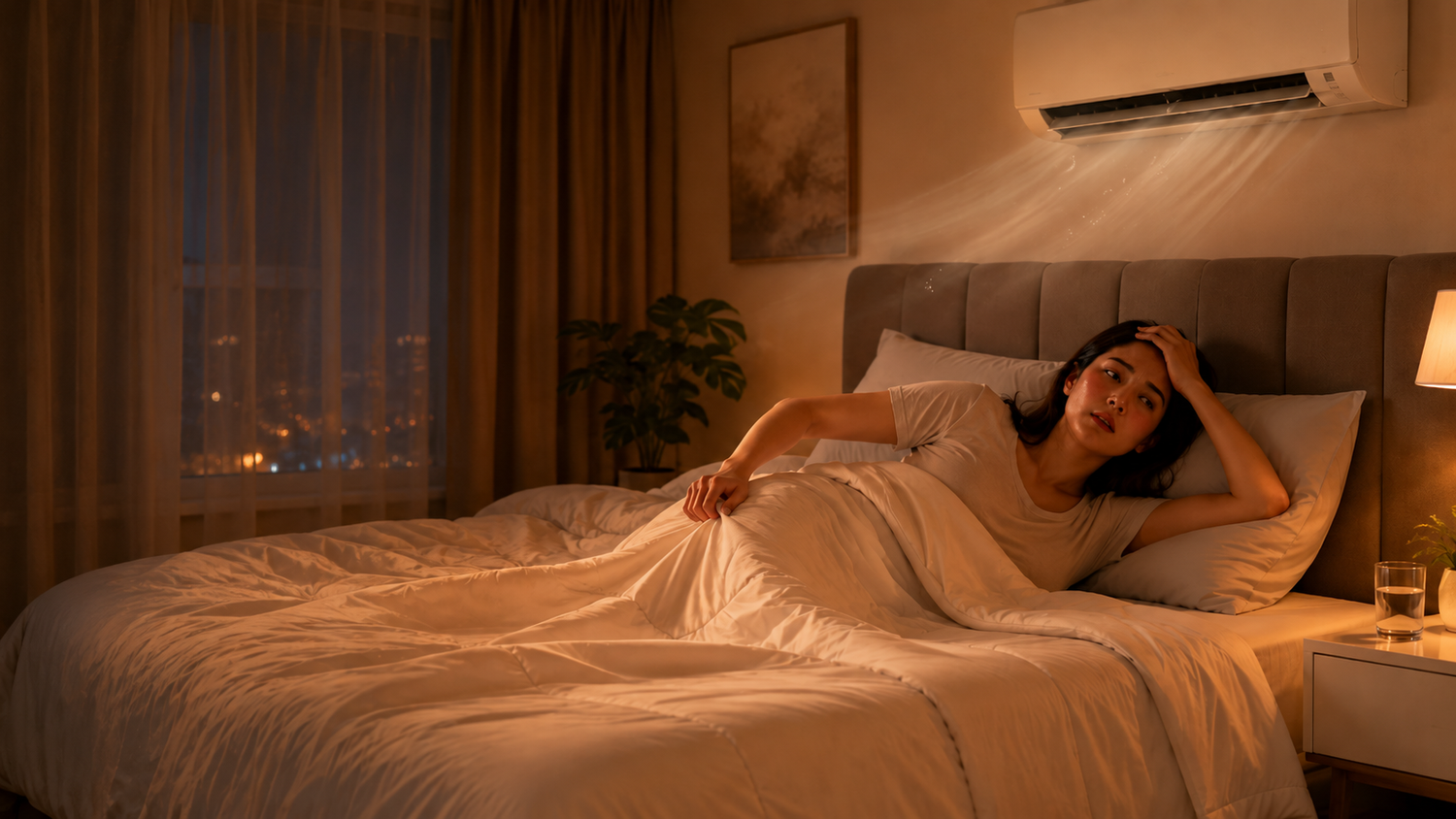
You lower the AC temperature before bed, hoping tonight will finally feel comfortable. But sometimes around 2 a.m., you wake up sweating anyway. The room feels cool. The air conditioner is running. Yet your bed still feels strangely warm, heavy, or humid.
If this keeps happening, the problem may not be your AC at all. For many people, overheating during sleep is caused by trapped heat inside the bedding itself — not the room temperature. Once heat, moisture, and airflow become unbalanced, sleep quality usually suffers too.
Your Bedding Might Be Holding Heat
One of the biggest reasons people sleep hot is heat retention inside the bed itself.
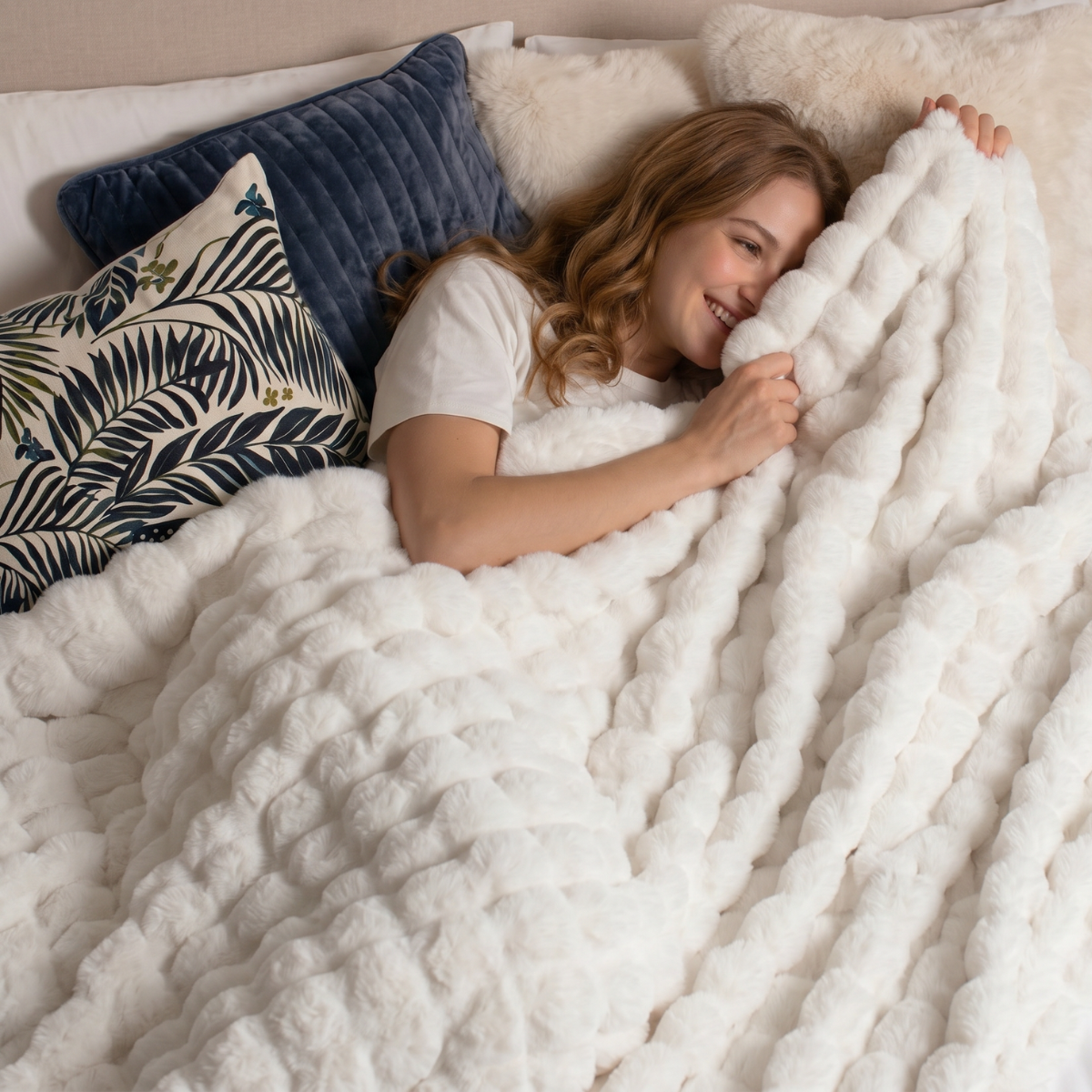
Traditional bedding materials — especially thick synthetic comforters or poorly breathable blankets — often trap body heat, sweat, and humid air instead of allowing them to escape naturally. Even when your bedroom feels cool, your bedding can still create a warm microclimate around your body.
At first, heavy bedding may feel cozy. But after several hours of sleep, that same warmth can start feeling stuffy, damp, or restrictive.
This problem is especially common among hot sleepers, people living in humid climates, those who experience night sweats, or anyone layering multiple heavy blankets during sleep.
That’s why lowering the AC temperature alone does not always solve the issue. If heat cannot escape from the bedding itself, your body still struggles to cool down properly overnight.
Many people eventually realize the real issue is not the air conditioner — it is the bedding itself. A heavy traditional comforter may feel soft at first, but over time, it can trap heat and reduce airflow, especially during warmer months.
Air Conditioning Cools the Room — Not Necessarily Your Bed
A lot of people assume a colder room automatically means cooler sleep.
But airflow works differently once you are underneath blankets and comforters. If your bedding traps heat and moisture, warm air becomes concentrated around your body even while the room itself stays cool.
This creates the frustrating feeling of sleeping “hot” despite having the AC on all night.
In many cases, the real issue is not the air conditioner — it is poor breathability inside the bed.

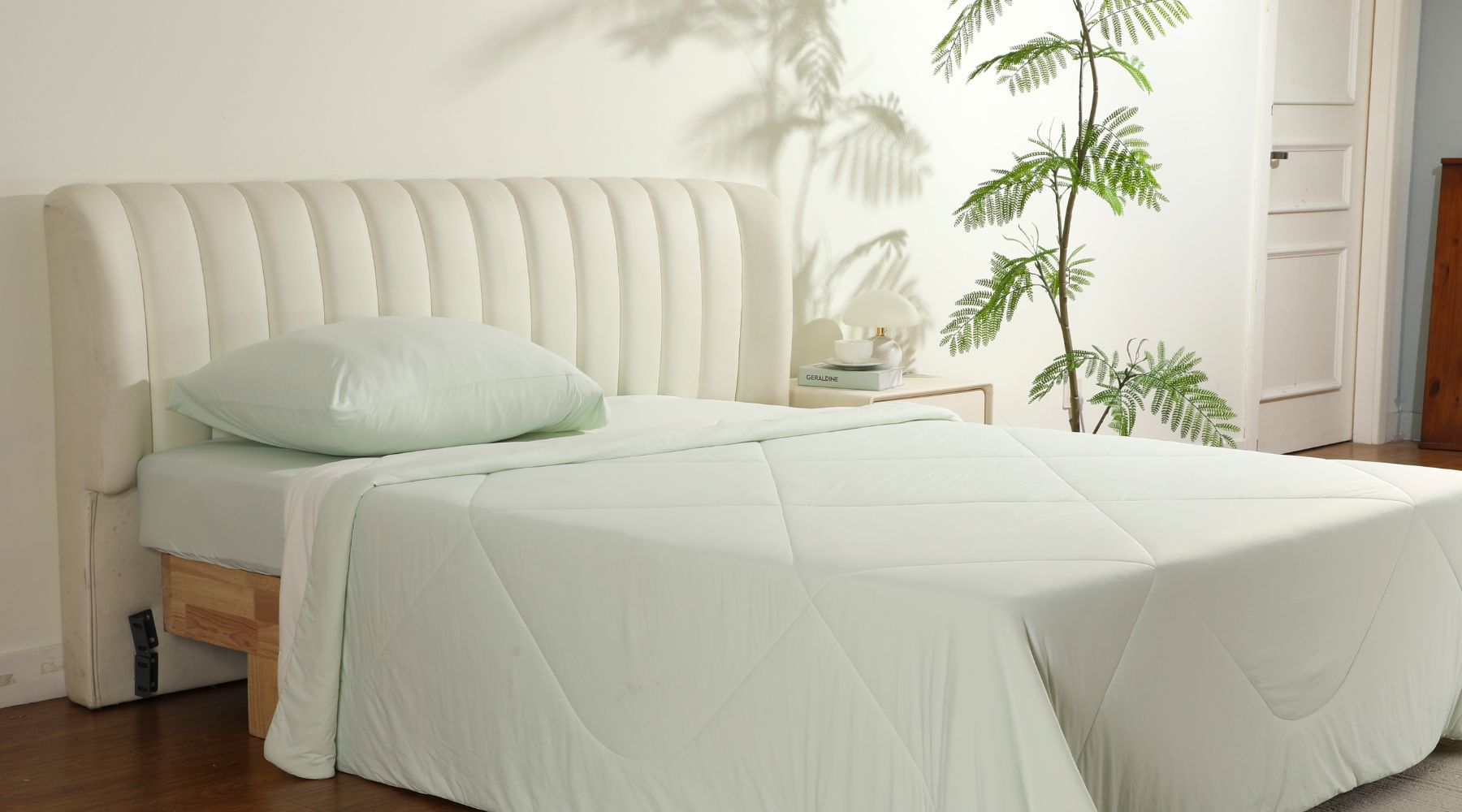
That is one reason cooling bedding, cooling comforters, and cooling blankets have become increasingly popular among hot sleepers. Instead of simply adding warmth, cooling fabrics are designed to improve airflow, reduce humidity buildup, and help heat escape more naturally.
Some Fabrics Naturally Sleep Hotter Than Others
Not all bedding materials behave the same way.
Certain fabrics hold onto warmth and moisture more easily, while others are specifically designed for temperature regulation and breathability.
Dense synthetic materials can sometimes feel overly insulating, especially during summer or in humid environments. Cooling blankets and lightweight cooling comforters, on the other hand, focus more on airflow, moisture control, and breathable comfort.

Modern cooling bedding may use advanced materials such as:
- Nylon/spandex cooling fabric with high Q-Max cooling performance
- TENCEL™ lyocell bedding for breathable softness
- Sorona® cooling comforters for fluffy comfort without heaviness
- Outlast® temperature-regulating technology was originally developed for NASA
The goal is not to make the bed feel icy cold. It is to create balanced comfort that feels dry, breathable, and easier to sleep under throughout the night.
Humidity and Sweat Can Make Sleep Feel Much Worse
Sometimes the issue is not temperature alone — it is trapped moisture.
When sweat and humidity stay inside the bedding, your skin has a harder time cooling naturally. That sticky, damp feeling many people experience overnight is often caused by poor airflow and moisture retention.
This is why some people wake up feeling exhausted even after sleeping for enough hours.
Breathable cooling bedding helps by allowing heat and moisture to dissipate more efficiently instead of staying trapped around the body.
Many hot sleepers describe the difference not as “cold,” but as feeling fresher, lighter, less stuffy, and easier to sleep under.
And honestly, that distinction matters more than people realize.
Your Body Temperature Also Changes During Sleep
Sleep temperature is not static.
Your body naturally moves through different temperature cycles overnight, and factors like stress, hormones, metabolism, menopause, or even eating late can affect how warm you feel while sleeping.
That’s why two people in the same room can have completely different sleep experiences.
Some people simply sleep hotter than others.

Good sleep is not about creating extreme coldness — it is about helping the body regulate temperature comfortably without overheating.
That’s also why many people now prefer temperature-regulating bedding instead of overly thick traditional blankets.
Real Comfort Is About Balance
A comfortable bed is not necessarily the warmest bed.
For many people, better sleep comes from softness without heaviness, warmth without overheating, and comfort without restriction.
That’s why modern cooling comforters for hot sleepers have become more than just a trend. They solve a real sleep problem that many people quietly deal with every night.
As one hot sleeper described it:
“It still feels cozy — just lighter and easier to sleep under.”
And that is probably the best way to describe truly comfortable cooling bedding.
FAQ
Why do I feel hot at night even with AC?
Your bedding may trap heat and moisture around your body, even if the room temperature feels cool.
Can bedding really affect sleep temperature?
Yes. Poorly breathable bedding can hold heat, sweat, and humidity, making sleep feel warmer and less comfortable.
What type of bedding is best for hot sleepers?
Breathable cooling bedding, cooling comforters, and moisture-wicking fabrics are often the best choices for hot sleepers.
Do cooling comforters actually work?
Many people find cooling comforters more comfortable because they improve airflow and reduce overheating during sleep.
Is cooling bedding only useful in summer?
No. Many cooling blankets and cooling comforters are designed for year-round comfort because they focus on temperature balance rather than extreme coldness.

Leave a comment
This site is protected by hCaptcha and the hCaptcha Privacy Policy and Terms of Service apply.